Sato further stated that the monitoring capabilities of Blockchain technology could record each stage of ticket exchange or halt the process. By integrating an electronic payment system into the block, it will have the capability to manage or prevent charges more than the actual box office revenue.
This particular Blockchain technology includes the capability of recording transactions in an immutable fashion. It eliminates the possibility of duplicate ticket resale. The ticket issuer, according to Sato, can implement marketing regulations within the block, thereby contributing to the complete transparency of every transaction.
Furthermore, the utilization of DID connectivity and the authentication of tokenized tickets offer buyers an unprecedented level of access, including the ability to convert customized tickets into non-fungible tokens (NFTs).
The exposure for the buyers of these innovative tickets is much more than merely watching the game. Buyers of these innovative tickets will experience a variety of physical and digital activities, including designing an award cup using a 3D printer and contributing to the manufacture of a commemorative artifact. Additionally, a jersey bearing the signatures of the athletes will be obtained.
RACA serves as a Web 3.0 framework service provider and is backed by DWF Labs, OKX Blockdream Ventures, and the Consensys Mesh Tachyon accelerator. It was initially offered in the form of a bidding token with the Maye Musk $NFT. It has now evolved into a significant Web3 gaming environment.
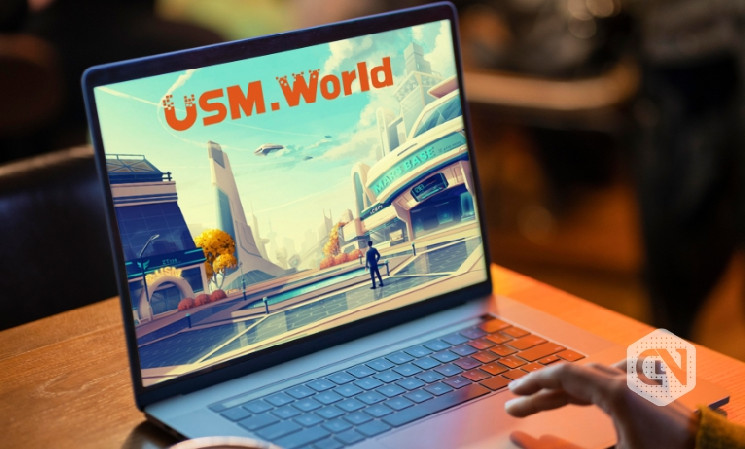
RACA is a native USM token that serves as a Crypto dApp Store for AI programs and games, as designed by Elon Musk’s mother and the Koda $NFT community.

 cryptonewsz.com