
 coindesk.com
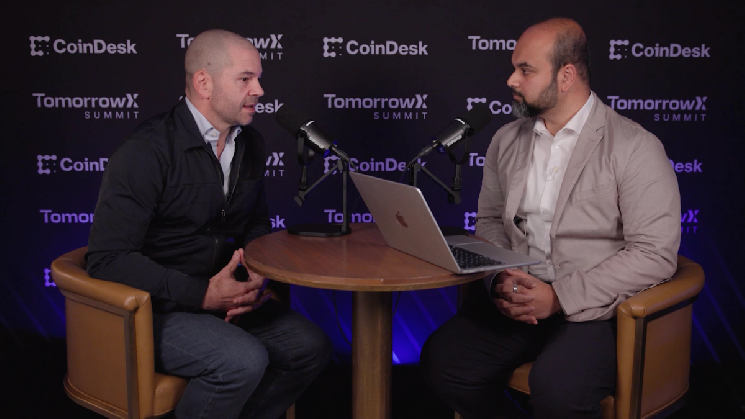
When Kirk McKeown was running market intelligence at Point72, the hedge fund founded by Steve Cohen, he spent millions of dollars buying data that could help portfolio managers get ahead of the market.
Credit card transactions, consumer spending patterns and other information that rarely showed up in a company's financial statements were all part of the research process. The goal was to spot changes in a business before they became clear in its earnings.
It was an expensive business. Getting access to the data was one challenge and making sense of it required teams of analysts, engineers and researchers.
McKeown, who spent over eight years running Point72's market intelligence operation after working at Larry Robbins' Glenview Capital, now believes that model is due for a shake-up, and it isn't just because artificial intelligence can make the research cheaper.
He sees a market where companies can sell the data they produce, earn recurring income from it and, one day, potentially use that income to back financial deals.
"There's a new capital market forming, which is data structure," McKeown, now CEO of alternative data company Carbon Arc, said in an interview with CoinDesk.
The price of an edge
Hedge funds use what the industry calls alternative data to gain insight into companies outside traditional earnings reports and regulatory filings. The information isn't secret, but getting hold of it can be costly.
That's the problem McKeown is trying to solve at Carbon Arc. The company sources transaction data from businesses, including credit card spending, retail sales and healthcare claims, then organizes it into a format that investors and AI tools can use.
Carbon Arc says its platform holds about 600 datasets. Rather than buying entire datasets, customers can use AI agents to ask questions about a company's performance and pay for the data they consume. Businesses supplying the information receive a share of the revenue.
McKeown says AI could make that process cheaper and faster, letting investors pull specific insights without buying and analyzing entire datasets. But as more investors gain access to the same information, hedge funds risk losing an advantage they once paid millions to secure.
"Alpha always moves," McKeown said.
He points to credit card data, which began gaining traction among hedge funds around 2012 and was once a source of unique insight that has become a routine part of investment research.
The advantage, he argues, is moving away from access and toward the ability to ask the right questions and interpret the results.
When data starts making money
McKeown's longer-term bet goes beyond investment research. He believes companies could turn the vast amounts of data they generate through payments, invoices and customer activity into a steady source of revenue.



