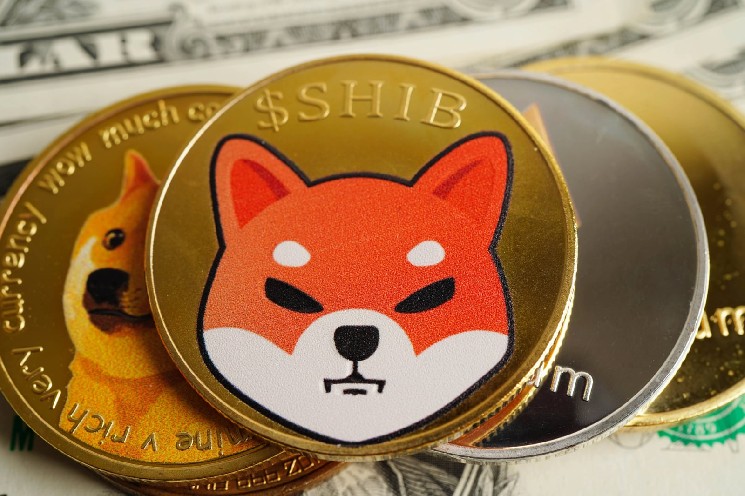
Such an accessible entry threshold has created a specific behavior pattern, where instead of trying to profit from price fluctuations, Japanese retail clients buy $SHIB or $DOGE in small portions as a form of digital collecting.
The local audience perceives the process as something similar to Tamagotchi or Pokémon, where users accumulate coins and monitor their balance like a virtual pet, feeding it with money from selling unnecessary household items.
An additional emotional trigger is the token's mascot itself, since the Shiba Inu dog breed is a national treasure of Japan.
How the "Green List" and 20% taxes opened the way for $SHIB integration
This gaming-like mechanism of micro-investments could not have existed without serious regulatory changes, which allowed Mercari to launch the new listing. Earlier, Japan's self-regulatory crypto exchange association, JVCEA, added Shiba Inu coin to the official Green List, placing the token on the same reliability level as Bitcoin and Ethereum.
$SHIB's move into the highest legal category automatically solved the problem of lengthy individual approval by the financial regulator, the FSA, allowing Mercari and Coincheck to launch trading instantly through the API.
In addition, the tax on profits from operations with Green List coins was reduced from a progressive 55% to a fixed 20%, making legal micro-transactions on the marketplace economically attractive for ordinary citizens.
$SHIB's entry into Mercari through API infrastructure is not happening in a vacuum, but in parallel with the token's expansion into other Japanese e-commerce giants, as earlier, conglomerate Rakuten implemented similar support for $SHIB through the Rakuten Wallet platform.

 u.today