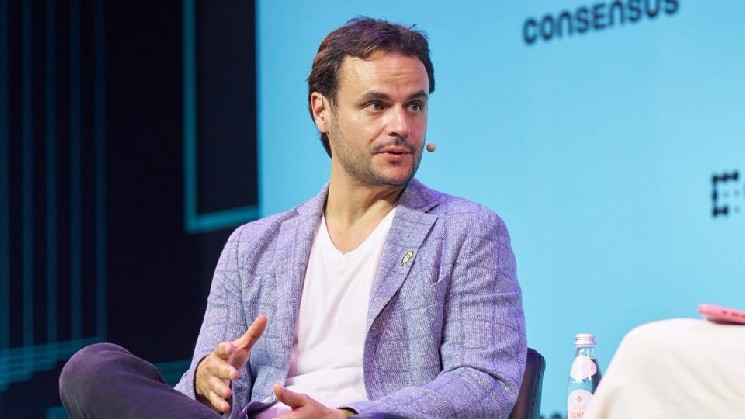
The Kraken executive pointed to tokenization and around-the-clock trading as key enablers. “We think it is going to be 24/7. We think it is going to be instant settlement,” he said, describing features that could differentiate tokenized assets from traditional brokerage products.
The discussion, moderated by Crypto in America host Eleanor Terrett, also addressed regulatory constraints in the United States. Kerbrat said “regulation in the U.S. has been less than friendly in the past,” though he noted recent engagement with policymakers has improved.
Robinhood has launched tokenized stock products in Europe using a derivative model that tracks underlying assets, with plans to expand access to additional asset classes including private equity. Kerbrat said the goal is broader participation in markets that have historically been limited to accredited investors.
“I think it is really important to give them the choice to be able to invest in it before it goes public,” he said, referring to private companies.
Kerbrat said adoption will depend on offering new functionality rather than replicating existing brokerage services, with lending, collateralization and continuous trading cited as areas of development.
Kraken, which trails platforms like OKX, Bybit and Coinbase (COIN) in spot trading volumes but remains a major player in the crypto derivatives market. is a U.S.-based crypto exchange where users can buy, sell, and trade digital assets like bitcoin and ether using fiat or crypto. It has expanded into services such as derivatives, staking, and custody, positioning itself as a more full-service trading platform beyond a basic retail app.

 coindesk.com