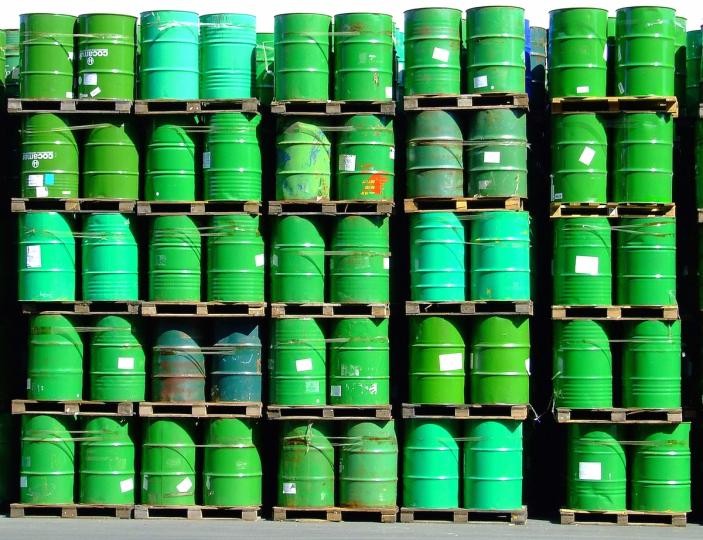
This blockade news couldn’t have come at a worse time, as mid-April marks a critical period for the oil market, when the large-scale drawdown of strategic petroleum reserves coordinated by the International Energy Agency begins to approach its limit.
Those emergency releases, initiated after the war broke out on Feb. 28, have been offsetting a supply shortfall of roughly 4.5 to 5 million barrels per day caused by disrupted flows through the Strait of Hormuz, but as these buffers run down in the coming weeks, that gap risks widening sharply to roughly 10 to 11 million barrels per day if normal supply is not restored.
If this scenario materializes, it would amount to "a supply shock without precedent in the modern oil market," the House of Saud recently said. The IEA's Chief, Fatih Birol, warned last week that the oil supply shock could be worse in April than in March.
The impact on markets would likely be immediate, with oil benchmarks gapping higher on Monday amid tighter supply expectations, equities facing renewed risk-off pressure amid inflation concerns, and volatility rising across both traditional and crypto markets as traders reassess global growth assumptions.
Bitcoin, which is considered a leading indicator for risk assets by some traders, is already under pressure. As of writing, it changed hands near $71,000, down nearly 3% on the day, according to CoinDesk data.

 coindesk.com