
 u.today
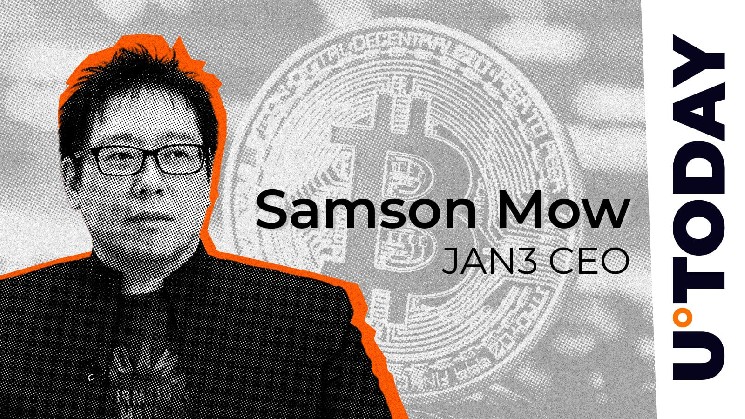
Bitcoin entrepreneur Samson Mow has argued that the growth of the BIP-110 movement was in large part a reaction to decisions and behavior within the Bitcoin Core ecosystem.
Mow's comments came after a series of exchanges on X involving analyst Michael Sullivan, Bitcoin Core developer Antoine Poinsot and Blockstream co-founder Adam Back.
"This entire mess could have been avoided"
Mow's response to Poinsot was rather direct. "If you don't take responsibility for your own hand in directly spawning the BIP-110 movement, it will just happen again," he said.
He claims that the opposing camp's attacks helped produce the backlash it subsequently received. "Your ‘side’ was just as nasty in its attacks, especially given you and other Core devs' close association with angry vitriol-spewing people like Brian from Bitcoin Magazine," he said.
Mow then argued that the reaction should have been predictable. "Did you really not expect that anger and vitriol to be returned tenfold?" he asked.
card
Several controversies compounded the problem, including what he described as the "Zhao/Newberry improprieties" and "a long list of other clumsy, guilty-looking missteps," he said.
Mow also rejected the characterization of his own earlier criticism as defamatory. "All I did was hint at structural problems within Core, problems Jon Atack later discussed openly," he said.
Mow claims that the entire mess could have been avoided if you had just left OP_RETURN alone for a year or two until things cooled off.
His argument rests on the distinction between a default policy setting and a consensus rule. "Everyone knew it was only a default, which is exactly the point: changing it or not changing it made no practical difference," he said.
Supporters of restricting arbitrary data argue that Bitcoin's scarce block space should primarily serve monetary transactions. This has led to the creation of a new Bitcoin fork, which recently failed due to extremely low adoption.