
Making Sense of Market Spreads: Why Where You Trade Crypto Matters
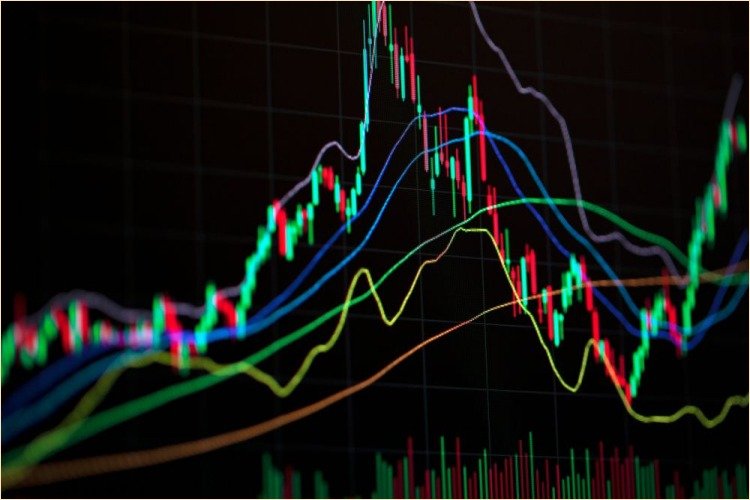
The cryptocurrency market is a 24/7 entity. Billions of dollars are flowing through decentralised networks, retail trading apps, and institutional order books at any given moment of the day. Take a look at any price tracker, or any crypto news feed, and you’ll notice one price for Bitcoin or Ethereum or any significantly more popular altcoin. One might think that this price would always be the same.
However, the reality of the digital asset market is much more fragmented. While a country’s major stock exchange is usually the sole destination for its independent exchanges, the crypto market comprises hundreds of separate exchanges worldwide. Each one of these websites has its own customers and vendors, the fastest price, and speed.
For the everyday investor or active trader, understanding this fragmentation is not just a technical detail. It is a vital part of protecting your money and getting the best possible value out of every single trade you make.

Know when your
coins move
Alerts, real-time prices, and market news — all in one app
 Point your phone camera to install
 4.8 based on 40K reviews in the App Store and Google Play


The Reality of Crypto Liquidity
If you want to know about the difference in the prices between platforms, then you need to understand a concept known as liquidity. Liquidity, in simple terms, is the ease with which an asset can be bought or sold without causing a drastic change in its price.
High liquidity exchanges have a lot of active traders who want to make a trade. A highly liquid platform will have sufficient buy orders on the order books to sell 10 Bitcoins and realize the current market price.
But if you try to make that same sale on a small platform with low liquidity, there might not be enough buyers waiting. To fill your order, the system will have to match your sale with lower and lower buy offers. This causes the price of the coin to drop while your trade is happening. This price drop is called slippage, and it is one of the most common ways traders lose money without even realizing it.
Why Order Books and Spreads Shape Your Returns
Every digital asset trading platform uses a system called an order book. This is a real-time digital list of open buy and sell orders.
The gap between the highest price someone is willing to pay and the lowest price someone is willing to sell for is called the bid-ask spread. On massive, highly active platforms, this spread is usually tiny—often just a fraction of a cent. On smaller, quiet platforms, the spread can be quite wide.
If you are a casual trader who only buys a small amount of crypto once a month, a wide spread might not seem like a big deal. But if you trade regularly, those wide spreads act like a hidden tax. You’re eating away at those potential profits with each additional purchase at a higher price or sale at a lower price. These small differences can cost thousands of dollars over a year’s time.
Selecting the Right Trading Venue
Choosing where to manage your crypto portfolio requires balancing several practical factors. You have to look at deposit options, security records, trading fees, and geographic availability.
A platform that works perfectly for a trader in Europe might not accept deposits from a trader in Asia, and some platforms charge massive fees just to move your coins to a private wallet.
For example, when dealing with highly liquid assets that have faced unique regulatory paths, finding a secure platform with deep order books is even more critical.
If you are looking to trade or hold Ripple’s native token, comparing the top XRP exchanges is a necessary step to avoid high fees, slippage, and sudden deposit delays. Different platforms offer vastly different trading pairs, security features, and liquidity levels, meaning a smart trader must study where they execute their orders to protect their margins.
How News Aggregators Help You Track the Market
The crypto world is extremely fragmented, and staying current is a key challenge. It’s not possible to watch one TV channel and read one newspaper to know what is happening. A major regulatory change in Asia could cause prices to shift on one exchange hours before the news reaches Western social media.
That is why modern traders are heavily dependent on modern online news aggregation tools and dashboards. These tools aggregate several hundred price feeds, volume movements and breaking news feeds from around the world and deliver them to a single screen in real time.
By watching how news impacts different platforms in real time, you can start to see patterns. For instance, when major news breaks, you will often see prices on retail-focused mobile apps move more slowly than prices on professional trading desks. Knowing how to spot these delays gives smart traders a massive advantage.
The Shift to Smarter, Data-Driven Decisions
The days of simply buying a coin and hoping for the best are over. As the digital asset space grows, the difference between success and failure comes down to the details. The most successful traders are the ones who look at crypto through a quantitative lens.
By paying close attention to exchange liquidity, studying order book spreads, and using reliable comparison guides to choose your trading venues, you can keep your trading costs as low as possible. In a market where prices can change by ten percent in a matter of minutes, taking control of your trading infrastructure is the smartest way to build a resilient financial future.