
Why Stablecoins Dominate Crypto Gaming Deposits
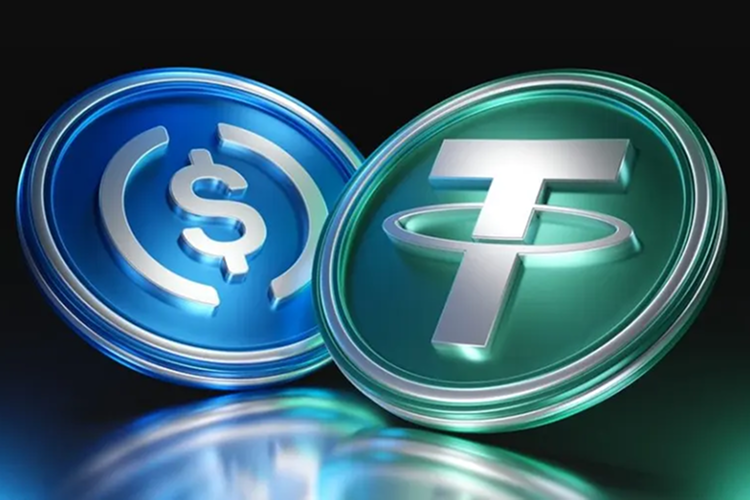
The story of digital money in the last few years keeps circling back to one idea: stability wins. While Bitcoin headlines chase double-digit swings and Ethereum traders obsess over gas fees, a quieter asset has been doing the heavy lifting behind the scenes. Tether (USDT) and stablecoin cousins like USDC have grown from a trading convenience into the backbone of how people actually move value on-chain. And one of the clearest places that shift shows up is in how players fund online crypto gaming accounts, where predictability isn’t just nice to have — it’s the whole point.
That same craving for predictability explains why stablecoins have become the go-to funding choice for online slots and games. When someone deposits in USDT, the balance they see is the balance they can play with, no mental math required. This is where free spins offers at crypto casinos enter the picture, since the best of them are compared across dozens of sites for real value, wagering requirements, and payout conditions. For a stablecoin user, knowing how to claim those spins, read the fine print, and understand what a bonus is actually worth matters far more than chasing a flashy headline number — because a steady coin paired with clear terms is exactly what makes the experience feel controlled rather than chaotic.
Stability as the Guiding Idea
Everything about the stablecoin boom traces back to that one principle. A player who funded an account with volatile crypto used to face a strange problem: a winning session could still lose value if the underlying token dropped overnight. USDT solved that. Pegged roughly one-to-one with the dollar, it lets entertainment spending stay entertainment spending, untouched by the market’s mood.

Know when your
coins move
Alerts, real-time prices, and market news — all in one app
 Point your phone camera to install
 4.8 based on 40K reviews in the App Store and Google Play


Crypto news readers already know Tether as the quiet giant of the space — the asset that routinely posts higher daily volume than Bitcoin itself. That liquidity isn’t abstract. It means a USDT balance can be moved almost anywhere, converted quickly, and trusted to hold its number. For leisure use, that reliability turns into peace of mind. The thrill comes from the game, not from wondering what a coin will be worth by morning.
From Trading Desks to Entertainment
Stablecoins earned their reputation on exchanges, where traders park funds between positions without cashing out to a bank. USDC and USDT became the dollar of crypto, the safe harbor during a sell-off. It was only a matter of time before that same utility spilled into how people spend, not just how they trade.
The overlap with gaming feels almost inevitable once you follow the logic. Someone who holds USDT for its stability wants to use it the way they’d use cash — for a night of entertainment that stays within a set budget. The guiding idea of predictability carries straight through. A deposit holds its value, a bonus’s terms stay readable, and the wagering requirements attached to any offer can be judged clearly because the currency underneath isn’t moving. Stability at the coin level makes stability at the experience level possible.
What the Research Says About Digital Spending
This isn’t just intuition. The way people spend inside virtual environments has become a serious field of study, and the patterns line up with what the stablecoin trend suggests. Academic work on predicting virtual goods purchases in online gaming communities shows how trust, ease of use, and perceived value drive whether someone opens their wallet for digital content at all.
Those same factors — trust and simplicity — are precisely what stablecoins deliver. When the unit of account doesn’t fluctuate, the decision to spend becomes cleaner and less stressful. The research frames it in terms of user acceptance models, but the takeaway is intuitive: people engage more comfortably when the money feels solid and the terms feel fair. That’s the whole appeal of pairing USDT with transparent offers rather than juggling an unpredictable token.
The Infrastructure Making It Seamless
None of this works without rails fast and cheap enough to make small, frequent transactions practical. Here the stablecoin story connects to the broader blockchain conversation crypto readers follow closely. Layer-2 networks, low-fee chains like Tron and Solana, and dedicated payment settlement systems have all made moving USDT a near-instant affair.
The settlement angle is worth a closer look. Systems built around technology like the Ripple payment protocol showed the industry how value could move across a network in seconds rather than days, laying conceptual groundwork for the frictionless transfers stablecoins now rely on. When a deposit or a withdrawal clears in moments and costs pennies, the predictability principle extends from the coin itself to the entire flow of funds. Nothing hangs in limbo, and nothing gets eaten by fees along the way.
Keeping the Fun Predictable
The guiding idea comes full circle when it meets responsible play. Stability isn’t only about protecting value — it’s about staying in control. A USDT balance makes it easy to set a firm budget, because the number on screen is the number that counts. There’s no volatility to tempt someone into chasing a swing.
Smart players treat stablecoins as a tool for discipline. They decide an amount, fund it, and read every bonus term before claiming anything, weighing wagering conditions against real worth. That mindset turns the stablecoin advantage into something healthier than mere convenience. Predictable money supports predictable habits, and predictable habits keep entertainment where it belongs — as a pastime, not a gamble on the gamble. For a crypto audience fluent in the language of stability, that framing feels less like advice and more like common sense.