
Bitcoin’s $60,000 Shock: Why Stablecoins Are Suddenly Back in Focus
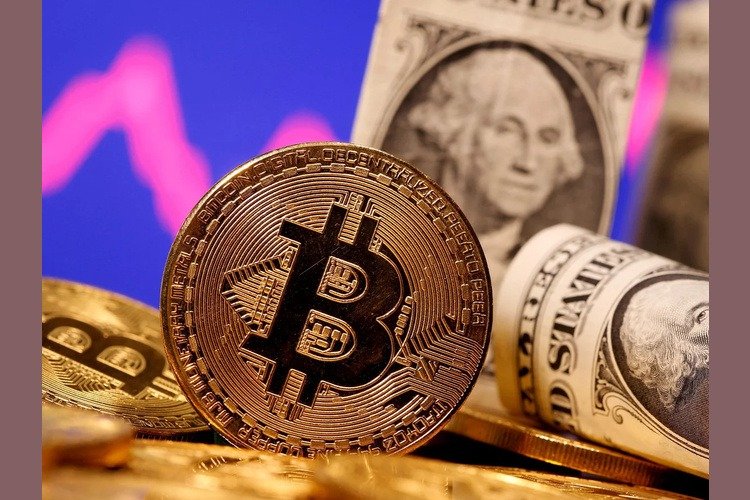
Bitcoin’s November sell-off pushed the price below $59,000 on 20 November 2026, its weakest level since early July, before it moved back towards $60,000. The decline occurred as risk appetite weakened across technology stocks and expectations of further US interest rate increases intensified. It also renewed attention on the shrinking supply of stablecoins, which provide much of the dollar-linked liquidity used in cryptocurrency markets.
While Bitcoin dominates headlines during periods of market volatility, stablecoins play a different but increasingly important role. Designed to maintain a relatively stable value, usually linked to a traditional currency such as the US dollar, they offer investors a way to remain within the cryptocurrency ecosystem without being directly exposed to the same price fluctuations. As uncertainty returns to the market, understanding stablecoins is a must.
Why Bitcoin’s Drop Below $60,000 Matters

Know when your
coins move
Alerts, real-time prices, and market news — all in one app
 Point your phone camera to install
 4.8 based on 40K reviews in the App Store and Google Play


Bitcoin’s decline formed part of a broader risk-off move across cryptocurrency and technology markets. Higher bond yields, expectations of another Federal Reserve rate increase, and forced liquidations in leveraged cryptocurrency positions added to the selling pressure.
On 20 November, Bitcoin fell below $59,000, its weakest level since early July. The immediate question is whether this represents a temporary setback or a more prolonged downturn. Regardless of the next price movement, the changing amount of liquidity available within cryptocurrency markets deserves attention. This is where stablecoins become relevant.
What Makes Stablecoins Different?
Unlike Bitcoin, whose price is determined by supply, demand, and market sentiment, stablecoins are designed to maintain a relatively stable value. Major examples include Tether’s USDT and Circle’s USDC, both of which are intended to remain close to one US dollar per token.
Their value comes from the mechanisms used to maintain the peg, which can include reserves of cash, government securities, and other financial assets, depending on the issuer. Because of this, stablecoins have become an important part of cryptocurrency trading, allowing users to move between digital assets without first converting funds into traditional currencies. They are also used in decentralised finance, international payments and other cryptocurrency-based financial services.
However, stablecoins are not entirely free of risk. Their stability depends on the quality of their reserves, the issuer’s financial position, redemption arrangements and the ability to maintain the dollar peg.
Why Stablecoins Are Back in Focus
Stablecoin supply is often used as an indicator of the dollar-linked liquidity available within cryptocurrency markets. An increase can be consistent with new capital entering the ecosystem, while a contraction may reflect redemptions or reduced demand. However, supply figures alone cannot prove where the money ultimately went.
By 17 November, the combined supply of stablecoins had fallen by approximately 5.3 percent over 30 days to about $284.24 billion, according to DefiLlama data cited by CoinDesk. This was the sharpest 30-day contraction since 2022. The decline matters because stablecoins provide a substantial share of the liquidity used for cryptocurrency trading, decentralised finance and derivatives collateral.
When investors sell Bitcoin and retain stablecoins, that liquidity may remain available for future purchases. A contraction in stablecoin supply can instead be consistent with net redemptions, although the data cannot determine whether the proceeds moved into bank accounts, government securities or other assets. It should therefore be treated as one liquidity indicator rather than definitive proof that investors have left cryptocurrency markets.
Could Stablecoins Help Bitcoin Recover?
Stablecoins could play an important role in any future cryptocurrency recovery, but their presence alone does not guarantee rising prices. For Bitcoin to experience sustained upward momentum, the market needs renewed demand and sufficient liquidity. A growing stablecoin supply could indicate that investors are returning to cryptocurrency markets with capital available to deploy.
This does not mean that all newly issued stablecoins will be used to purchase Bitcoin. They can support trading across numerous cryptocurrencies and financial applications. Nevertheless, increased stablecoin liquidity can create more favourable conditions for market activity.
However, if stablecoin supply continues to contract, it could indicate that investors are withdrawing capital altogether, which could make it more difficult for Bitcoin to recover. Investors will therefore be watching stablecoin issuance, redemption activity, and exchange liquidity alongside traditional Bitcoin indicators.
Cryptocurrency Entertainment in an Uncertain Market
Cryptocurrency is also used outside trading and investment. Some adult gambling platforms accept digital assets for deposits and withdrawals. This is a separate use case and should not be interpreted as an investment strategy or a method of protecting capital from market volatility.
Cryptocurrency gambling involves a risk of financial loss in addition to transaction costs and potential changes in the value of the asset used. Access should be limited to adults in jurisdictions where these services are permitted. Some services, including a live Bitcoin casino, accept digital assets for deposits and withdrawals. Users should verify applicable licensing, payment conditions, withdrawal rules, and responsible gambling tools before participating.
What Should Investors Watch Next?
Bitcoin’s fall has brought market liquidity and investor confidence back into the conversation. While price movements remain important, stablecoin supply offers another perspective on what is happening in the market. Stablecoins are more than just an alternative way to hold cryptocurrency. They are an important part of the infrastructure supporting digital asset markets.
Bitcoin’s latest decline demonstrates how quickly market confidence can change. Stablecoin activity can help analysts assess the liquidity available within cryptocurrency markets, but it cannot by itself reveal whether investors intend to buy Bitcoin or withdraw from digital assets. It should be considered alongside exchange balances, spot ETF flows, leverage, trading volume, and broader economic conditions.