
How are UAE Residents Spending Crypto on Entertainment?
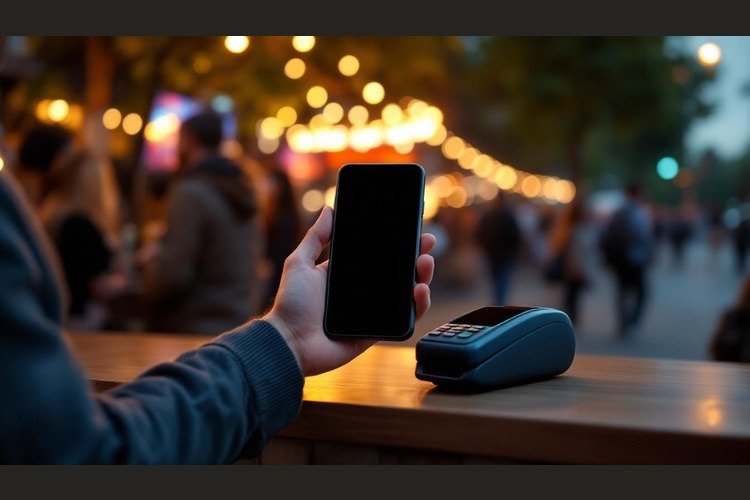
Emirates added a new choice to the end of its booking flow on 28 July 2026. Customers with a Crypto.com account could pick Crypto.com Pay on emirates.com or in the airline's app, approve the payment from their wallet, and get an e-ticket back. The airline limited it to "eligible UAE residents for bookings priced and settled in Emirati Dirham (AED)." A week later Dubai Duty Free switched on the same option in its airport stores and online.
Two launches in one summer look like an answer to the headline. It's a narrow one. In both cases the shop got dirhams and never held a coin, and that design traces back to 2024, when the central bank wrote down which tokens a seller in the mainland UAE may take at all.
Dated cases and the rules behind them give the fuller answer. Travel and airport shopping turn up, while concert tickets so far don't. Online betting sits further out still, because its only licensed operator in the country, as of late October, takes no token at all.

Know when your
coins move
Alerts, real-time prices, and market news — all in one app
 Point your phone camera to install
 4.8 based on 40K reviews in the App Store and Google Play


The central bank's token rule starts from residency and the dirham
The rules sit in Article 2 of the Payment Token Services Regulation, which the central bank's own rulebook shows in force from 31 August 2024. Residency was written in from the start. Clause 6 lets a licensed issuer give out dirham payment tokens only to people resident in the UAE, so a visitor can't get one from the issuer. Beyond issuance, it adds that the regulation puts no limit on where a token is used or sent. Both summer launches wrote a residents-only limit into their own terms as well.
Clause 7 deals with the till. A business in mainland UAE selling goods or services may take a virtual asset in two situations, and they're lopsided. Dirham tokens issued under a central bank license can pay for the sale itself. Tokens pegged to other currencies, from issuers the bank has only registered, can pay for nothing except more crypto or derivatives of it. So a registered dollar coin can buy bitcoin, and the clause gives it no place at a shop's checkout.
Two kinds of token are out entirely. Clause 3 rules out algorithmic stablecoins and privacy tokens, even for firms that other UAE regulators already license for crypto work. Clause 13 takes the DIFC and ADGM, the two financial free zones, out of the article altogether, and their own regulators deal with tokens there.
AE Coin came first among dirham tokens. Its issuer announced in-principle approval under the regulation on 14 October 2024, in a statement Gulf News carried, and The National later reported that final approval followed two months after that. In 2025 Sharjah-based Air Arabia said it would accept AE Coin for flight bookings through the AEC Wallet app, and it claimed to be the first for a Middle East airline. Under the plan The National described, a customer would need that wallet, an identity check, and money loaded from an Mbank account or another supported method.
The summer's crypto checkouts sold flights and duty-free goods, never a ticket to a show
Everything outside the Dirham Lane needed another road to a shop's till. It opened on 11 May 2026, when Crypto.com said the central bank had granted its UAE entity, Foris DAX Middle East FZE, a Stored Value Facilities license. The company called it the first such license for a virtual asset service provider in the country, and at the time it said no other firm of that kind held one.
Its announcement set out how money would move. Settlement would happen "in UAE dirhams or CBUAE-approved dirham-backed stablecoins exclusively through the SVF framework," and users had to be onboarded through the company's platform licensed by VARA, Dubai's Virtual Assets Regulatory Authority. The airline and duty-free integrations still waited on further central bank approvals then. Both went live within three months. Emirates and Crypto.com had signed their memorandum a year before the airline's launch.
At the checkout the customer's coin turns into dirhams before the merchant sees anything. Gulf News described the duty-free version at launch. The shopper scans a QR code tied to the purchase amount in dirhams, approves it in the Crypto.com app, and the retailer receives dirhams. Crypto.com Pay joined Apple Pay, Alipay, and Terrapay on the store's list of payment options. On the airline's site a desktop user scans a code on the booking page, and a fare sold in another currency doesn't qualify, since the booking must be priced and settled in dirhams.
The same license cleared the company to switch on a deal with Dubai's Department of Finance for government fees, which isn't leisure by anyone's measure. We found no published count of how many residents have used either leisure checkout, and none of the announcements we read lists of which coins qualify. Dubai's cashless strategy aims for 90% of transactions to be digital by the end of 2026. No estimate we could find says how much of that will start as a coin.
A concert, a match, or a film is where the trail goes cold. Searches of the UAE and crypto news up to 12 November turned up no arena, cinema, theme park, or ticket seller in the country announcing crypto payments through a licensed converter. A small venue could take coins without telling the press, so this is a finding about the public record only.
The licensed betting site takes no token in and pays none out
Online betting is a leisure spend the UAE licenses federally, through the GCGRA, and its one online licensee shuts tokens out at both ends. Coin Technology Projects of Abu Dhabi holds the regulator's licenses for sports wagering and internet gaming and started taking customers on 15 December 2025. A press report on 27 October said the regulator hadn't issued a second online license and that the platform "does not accept cryptocurrency." Its deposit and withdrawal help pages, re-read for this article, still name no coin or token.
Payouts from Play 971 AE, the operator's website, go to a bank account by IBAN or to a Botim Money wallet, and no withdrawal option ends at a token address. An account needs a verified Emirates ID and a holder aged 21 or over, and the site opens only for someone physically in the UAE.
Both crypto checkouts launched this summer are Dubai operations. Emirates dated its release from the city and credited the integration to Crypto.com's Dubai entity. Dubai Duty Free's stores sit in the city's two airports.
The licensed betting site is shut in that emirate. Its help page rules Dubai out by name, so a resident there can pay for a flight from a crypto wallet at home and can't open the licensed site at all.
Where the site does open, payouts run on banking time. The operator aims to clear a withdrawal request internally within 24 hours; after approval, a bank transfer takes one to five business days, and a Botim transfer is usually instant. The timing says nothing about the result. Its games and markets are priced to leave the operator a margin, and a player can lose the whole stake.
Newer tokens and wallets haven't reached a resident's night out either
A token that reached residents' phones this month doesn't move the ticket counter. On 9 November, cryptonews.net reported that Liv, the digital bank of Emirates NBD, had added USDU, a dollar-backed token whose issuer is registered with the central bank as a foreign payment token issuer.
Emirates NBD puts Liv's user base at close to half a million, and the issuer called USDU the first dollar token Liv customers can trade inside their banking app. Trading is what it's for. The trades run through Aquanow ME FZE, a Dubai broker-dealer with a VARA license (VL/24/01/001), which supplies the liquidity. Clause 7, read as written, keeps a mainland promoter from accepting USDU for a seat, and clause 10 would follow the promoter into its advertising, since promotions for payment services may only cover the two permitted lanes.
Abu Dhabi's crypto plans look outward. Abu Dhabi Airports signed a deal in 2025 with Al Hail Holding and the fintech firm Xare to build a regulated wallet for inbound travelers at Zayed International, overseen by ADGM's financial regulator. A mid-year report on cryptonews.net said it was still a pilot, with no merchant figures released.
One route stays open to venues. Nothing in clause 7 appears to stop a concert promoter from signing with a licensed converter the way the airline did, because the promoter's account would still be paid in dirhams.
A resident can look up who converts the coin before paying with one
At the licensed betting site there's nothing of that kind to look up, since no coin goes in and none comes out. For every other spend in this piece, the first question is who turns the coin into dirhams.
VARA keeps a public register of the firms it licenses in Dubai, and Crypto.com's entity appears on it as Foris DAX Middle East FZE, license VL/23/10/003, dated 2024. Each entry lists the work a firm is cleared for, and this one covers broker-dealer, exchange, lending, and investment-management services. Its central bank payments license doesn't show there, since a different regulator issued it.
The receipt is the other check. A dirham amount on a QR code, the way the duty-free checkout shows it, is what the licensed route looked like this summer. A shop in mainland UAE that asks instead for a dollar stablecoin sent straight to its own address is asking for a payment that clause 7 of the central bank's Article 2, as written, doesn't let it take for an ordinary sale of goods or services.
Image by Lisette Marwood