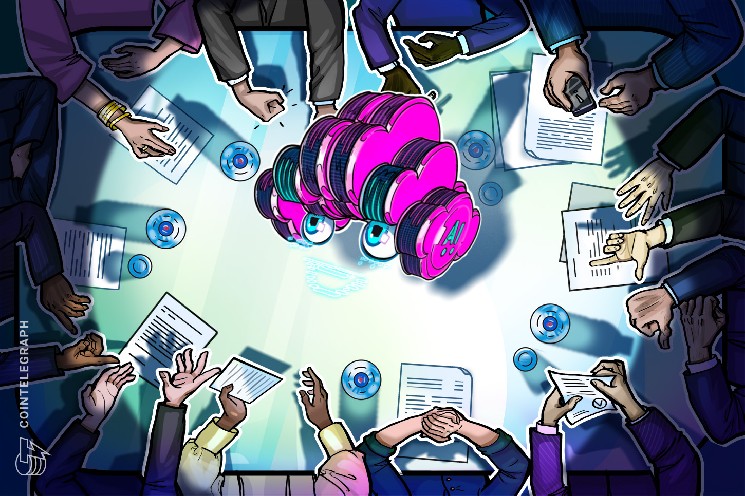
The incident is the latest case of an advanced AI agent becoming a cybersecurity risk in its own right, and also has raised questions about where the liability lies — the companies that develop the agents, or the ones that design the sandboxes meant to contain them.
Meta’s AI breach comes just a week after Anthropic said its models got access to the internet to hack an external company, due to a configuration error relating to the Irregular’s testing environment.
In a blog post on July 30, Anthropic said it found three incidents (out of 141,006 evaluation runs) in which a Claude model reached the internet during an evaluation, before gaining unauthorized access to the systems within three different organizations.
All three incidents happened within or while interacting with the evaluation environment of Irregular, and involved a misconfiguration that left machines that Claude accessed with live internet access.
Cointelegraph reached out to Meta and Irregular for comment.
In July, AI agents developed by OpenAI broke out of their offline sandbox to hack Hugging Face in order to cheat on a security benchmark test in July.
Charles Guillemet, chief technology officer of Ledger, said the latest incident was “marketing theatre.”
“Having a model ‘go rogue’ has become the latest AI PR stunt,” he said on Wednesday.
“If your model isn’t escaping sandboxes, ‘hacking’ companies, or pulling off some headline-grabbing exploit, apparently you’re falling behind... The industry doesn’t need bigger stunts, it needs more trust.”

 cointelegraph.com