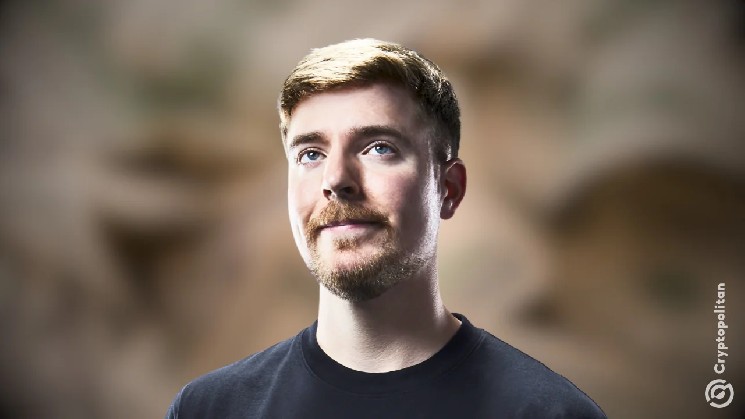
But things escalated fast. There was a time she got a call from a person she actually believed was MrBeast. That person convinced her to deposit $5,000 into a crypto wallet he gave her. Her total loss was $14,000.
Guelph police are now warning residents to treat celebrity endorsements of financial products with serious skepticism. AI makes it stupidly easy to fake voices and faces these days. “Residents are encouraged to be wary of any telephone call, email, or text that requires you to take immediate action.”
Jimmy Donaldson, aka MrBeast, has dealt with AI impersonations for a while now. Back in October 2023, he posted on X, calling deepfake ads using his likeness “a serious problem.” One AI-generated video showed him appearing to offer free iPhones to anyone who sent him $2, according to Cryptopolitan’s reporting.
The Guelph case is not the only one. It’s part of a wider trend of AI-powered celebrity fraud hitting Canadians. In April 2026, CBC fact-checked a deepfake video of Prime Minister Mark Carney that showed up in YouTube ads promoting a crypto get-rich-quick scheme. The fake ads even linked to fabricated articles to make themselves look credible.
Canada cracks down on crypto ATMs
The federal government is trying to get rid of one of the main ways scammers steal from victims. Ottawa announced plans to ban crypto ATMs altogether in late April 2026.
The decision followed a CBC Toronto investigation that exposed how the ATMs were being used as vehicles for fraud. The investigation included victims who fell for scammers’ ploy to get victims to insert cash into crypto ATMs, resulting in thousands lost. Toronto Police Detective David Coffey from the Financial Crimes Unit was among those calling for a ban during the original reporting.
Canadian authorities advise victims to contact local police and the Canadian Anti-Fraud Center right away. The combo of AI voice cloning, deepfake video, and crypto’s irreversible transactions makes these scams brutal to recover from once you’ve sent the money.

 cryptopolitan.com