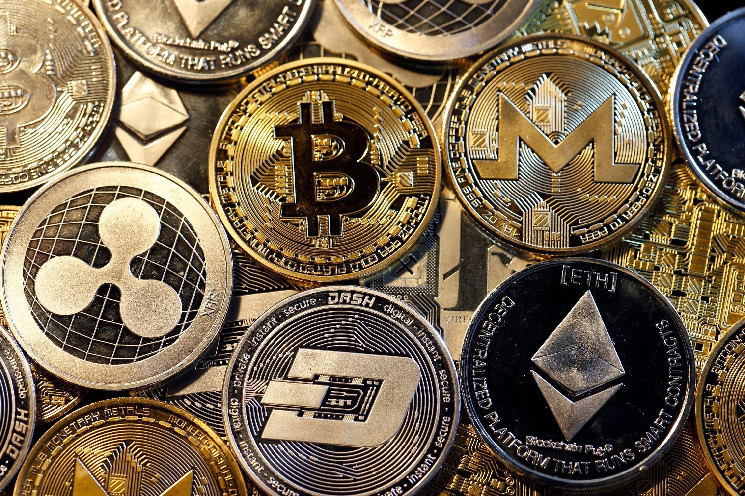
Firstly, the Ripple stablecoin RLUSD, which launched in December 2024, seems to solidify the fact that stablecoins are set to lead crypto adoption forward, no matter what the price of bitcoin does during the year. Despite the recent launch the market capitalization is already nearly $100 million, is being driven by the rapid growth of Ripple’s payments business, and fits nicely in with the stablecoin market at large, which grew 55% in 2024 to achieve a market capitalization of over $200 billion.
Strategic Crypto Reserve Are Already Here
The headlines associated with the buying of bitcoin by El Salvador may have become more routine since the inception of the national stockpile, but that does not mean that the idea itself is losing popularity. To the contrary, the growing integration of cryptoassets of all kinds throughout mainstream financial markets and transactions indicates that the appetite and interest for stockpiling crypto is only growing. While the U.S. headlines have focused around the speculation of a U.S. federal bitcoin reserve, or the legislative actions put forward by several states, other nations are following the lead of El Salvador.
Specifically the nation of Bhutan, which made a splash in 2024 with the a disclosure of $750 million in bitcoin holdings, has continued to seek to both grow cryptoasset investments as well as diversify said holdings. On January 8, Bhutan’s Gelephu Special Administrative Region (SAR) unveiled plans to formally recognize bitcoin and other digital assets are components of a strategic reserve, building on investments and earnings from previous forays in bitcoin mining. Other nations that are exploring bitcoin and/or other cryptoassets as strategic assets include Switzerland, Germany, Hong Kong, Russia, Brazil, and Poland.
In other words, reflecting the global nature of bitcoin, the push for strategic crypto reserves is occurring on a truly global basis.
Regulatory Transparency Will Fuel Wider Adoption
One of the largest obstacles toward wider crypto adoption and implementation has been the antagonistic regulatory environment that has been in place in the United States for years. While some aspects, such as the SEC’s campaign – under outgoing chairperson Gensler – have been widely documented and discussed, other campaigns have only recently been acknowledged and accepted as fact. Operation Chokepoint 2.0 was long considered fear mongering put forward by members of the crypto community, but recent releases have clarified that not only were regulators pursuing an anti-crypto campaign, but were being actively supported/ordered to do so by some of the most powerful financial regulators in the U.S.
With Coinbase leading recent efforts to force disclosure of records and correspondence connected to these activities, it remains to be seen how much is left to be revealed. Regardless, the fact that regulators were taking coordinated action to debank certain companies, dissuade banks from providing services to crypto entrepreneurs, and seeking to make the entire operating more difficult for an innovative and fast growing sector should be concerning regardless of which political party is in power.
As transparency takes a higher priority across all levels of government, highlighted by the formation of D.O.G.E., this will hopefully lead to more productive and forward looking conversations between industry and regulators.
Bitcoin has, and will continue to dominate headlines, but there are several other stories that are set to continue dominating the crypto sector in 2025; investors and policy advocates should take note

 forbes.com