Microsoft's AI journey took a significant step forward with the introduction of Microsoft Copilot to Windows 10, powered by GPT-4. The AI assistant, previously available in Windows 11, was publicly released for free in November.
The 2024 update will reportedly be more software-focused than hardware. Apart from requiring more powerful machines, the AI-powered Windows system will move the Copilot chatbot front and center. Instead of coding or doing complex tasks, users could merely ask Copilot to do certain things. An AI-powered command line could probably fix incorrect commands, and an AI-powered search could dig far deeper than filenames and peer into documents, appointments, and even transcripts.
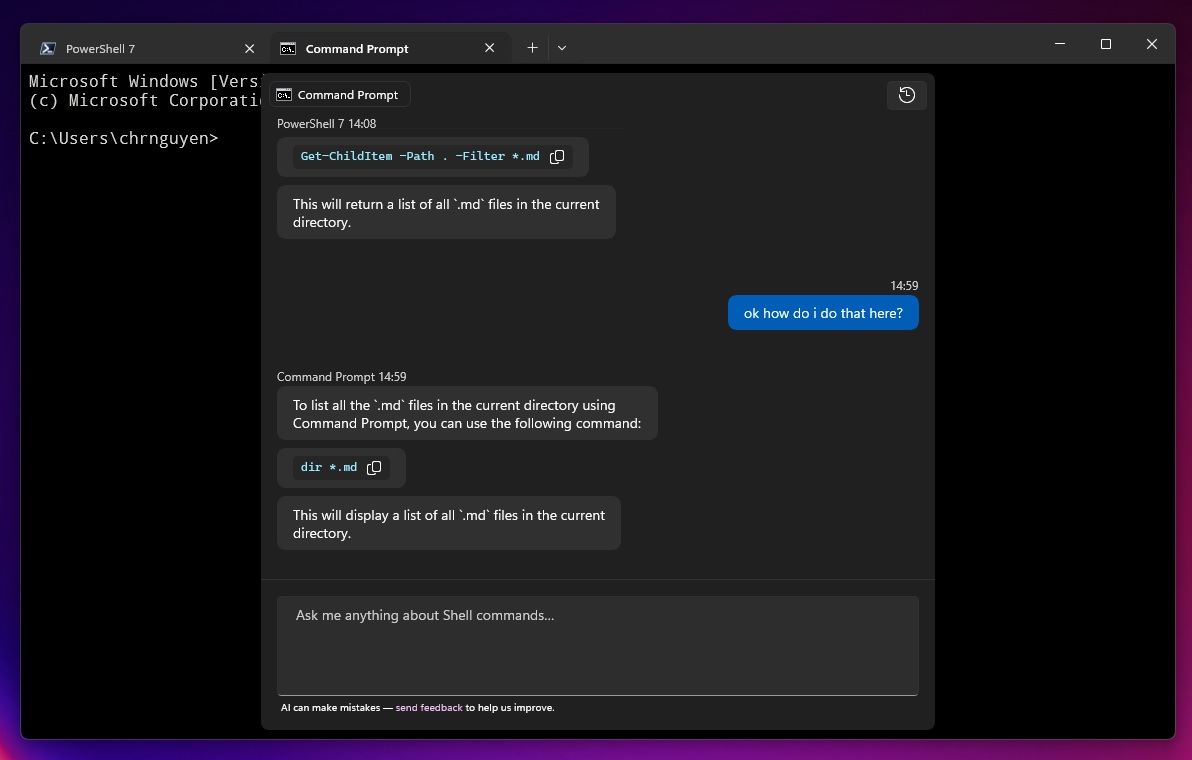
Image: Windowslatest
The "Hudson Valley" update also means a return to an annual release cycle for major versions of the Windows platform, instead of the current three-year life cycle. The faster cadence should streamline the delivery of new features, focusing on one substantial update per year, supplemented by smaller feature drops.
In addition to the integration of AI into its existing products, Microsoft is reportedly preparing new AI user experiences with upgrades like Super Resolution and enhanced Live Captions. Super Resolution will use NPU hardware to upscale the quality of videos and games, while the new Live Captions feature will offer real-time translation in multiple languages.
Microsoft's AI ambitions already extends to its other products. As Decrypt previously reported, the company has unveiled major AI upgrades across its suite, including Office and Bing. This is part of Microsoft's broader strategy to integrate AI capabilities like Copilot and DALL-E 3, and secure a leading position in the AI landscape.
Microsoft's $10 billion investment in OpenAI has been a cornerstone in this venture, enabling the tech giant to infuse cutting-edge AI models into its products as soon as, or even before, they are made available through ChatGPT.
Microsoft's separate collaboration with Meta in developing large language models (LLMs) also epitomizes its commitment to AI, along with the company's significant contributions to open-source AI development on platforms like Huggingface.
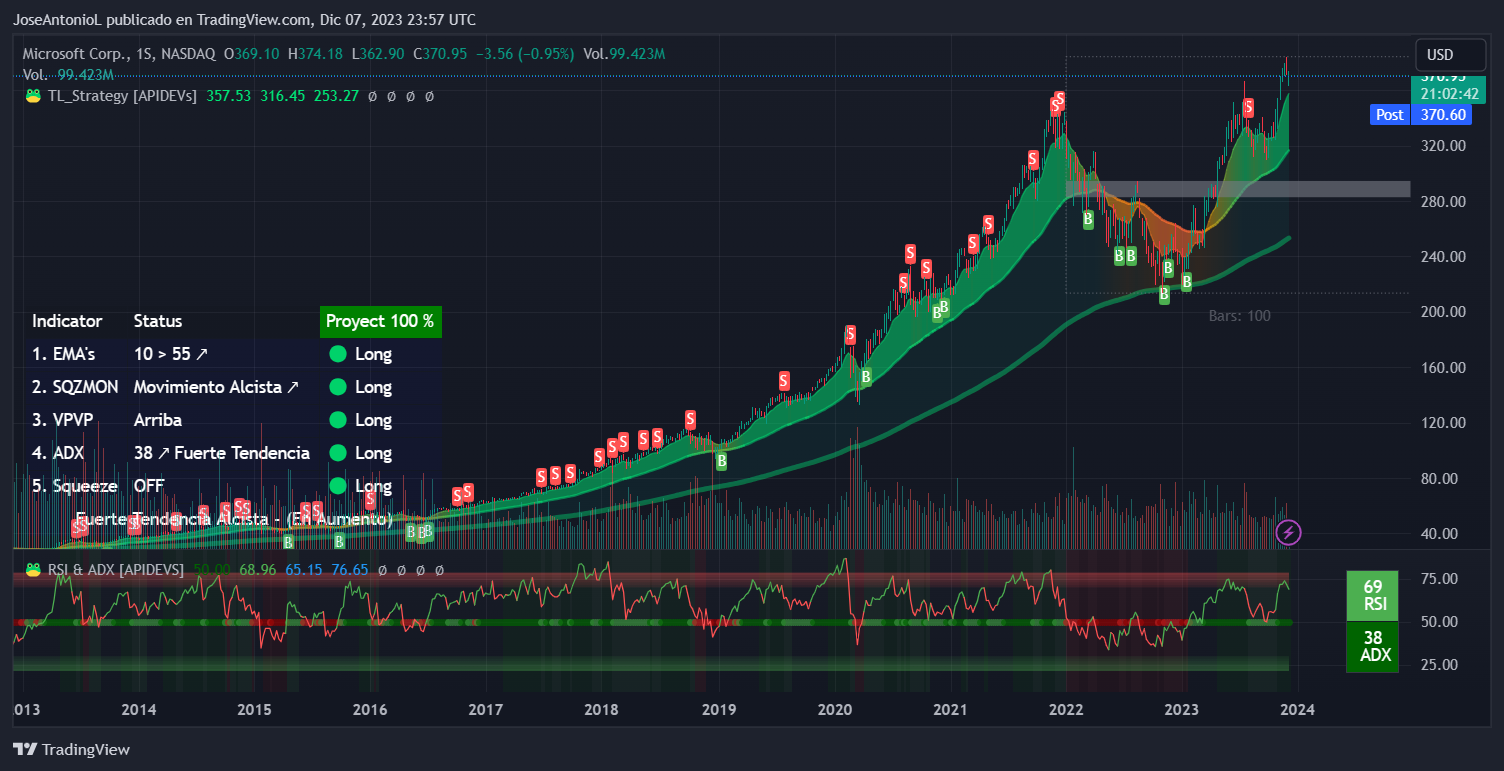
The implications of these developments are far-reaching. Microsoft's comprehensive integration of AI not only sets a new vision for its products but also signals a shift in the broader tech industry to AI as a common factor to consider. Users can expect more intuitive, efficient, and personalized experiences, as AI becomes increasingly woven into the fabric of digital interactions and Microsoft can expect much more profit as it develops its business strategy around more AI services.
“We believe Microsoft is the place where useful AI experiences come together simply, securely, and responsibly into the products you use most,” stated Microsoft in an official post previously reported by Decrypt.
With the introduction of Qualcomm's Snapdragon X Elite chips relying on platform advancements coming with Germanium, Microsoft plans to enable OEMs to ship new Arm hardware with Germanium preloaded by June 2024. This move, part of the broader Hudson Valley update plan, underscores Microsoft's commitment to staying ahead in the rapidly evolving tech landscape, balancing innovation with practical deployment schedules

 decrypt.co