
 bitcoinworld.co.in
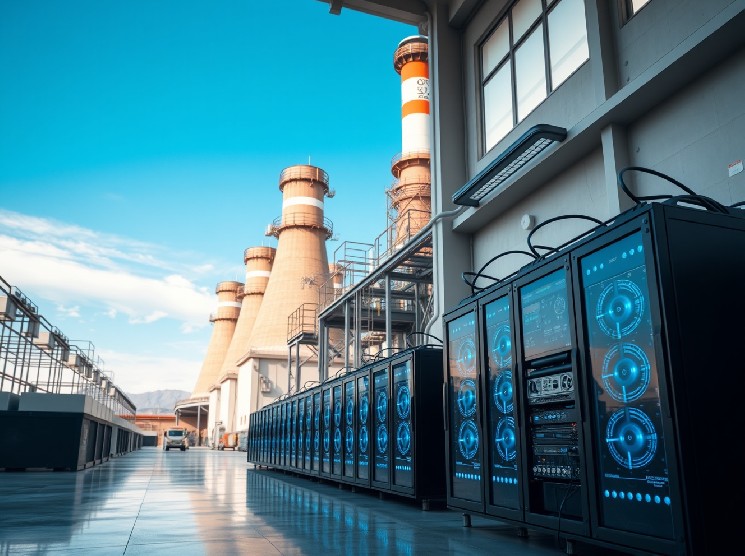
Italian energy company Alps Blockchain, in partnership with Bolivian firm Kuruvika, has launched a Bitcoin mining operation at a decommissioned 127-megawatt (MW) natural gas power plant in Cochabamba, Bolivia. The facility currently uses approximately 27 MW of power and operates with a hashrate of 1.23 exahashes per second (EH/s), according to a report from Beets. The company plans to increase power consumption to 45 MW by the end of the year.
Repurposing Stranded Energy for Crypto Mining
The partnership represents a growing trend in the cryptocurrency mining industry: repurposing stranded or underutilized energy infrastructure for digital asset production. The Cochabamba plant, previously offline, now hosts mining hardware that draws power directly from the site’s natural gas supply. This approach can reduce energy waste and provide a revenue stream for otherwise idle assets. Alps Blockchain, which specializes in energy-intensive blockchain operations, sees Bolivia as a strategic location due to its available natural gas reserves and relatively low energy costs.
Expansion Plans and Local Impact
Alps Blockchain’s current 27 MW operation is just the first phase. The company aims to scale up to 45 MW by late 2024, which would significantly increase the site’s hashrate and mining output. The expansion could create local jobs in maintenance, security, and operations. For Bolivia, a country with limited cryptocurrency adoption and regulatory uncertainty, this project marks one of the first large-scale Bitcoin mining ventures. The partnership with Kuruvika, a local firm, may help navigate regulatory requirements and community relations.



