
 coindesk.com
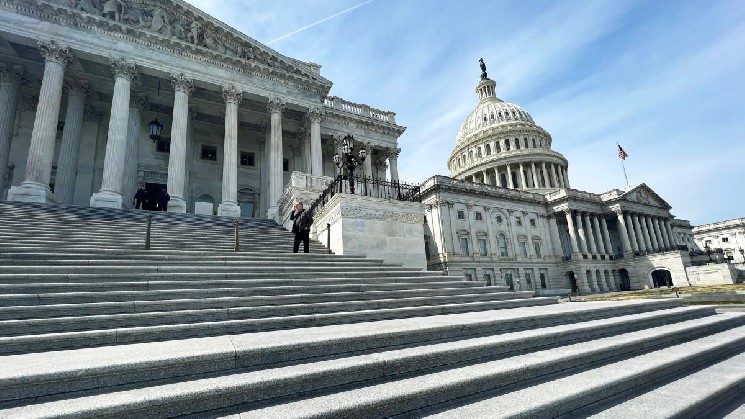
The crypto industry may be on its back foot as the next Congress takes office in January.
Tuesday night's election seemed pretty well settled by midnight. Democrats retook both the House of Representatives and the Senate and are on track to hold large majorities in both chambers of Congress. As of press time, Democrats were projected to hold at least 54 Senate seats and over 253 House seats. And the party was leading in the two outstanding Senate races — Mississippi and Alaska — and 10 of the outstanding House races as of Friday afternoon.
You’re reading State of Crypto, a CoinDesk newsletter looking at the intersection of cryptocurrency and government. Click here to sign up for future editions.
Democratic sweep
The narrative
The U.S. election's "blue wave" turned out to be very real. Democrats had an excellent night across the country, unseating longtime Senators, flipping state legislatures and even being competitive in races such as Florida's gubernatorial and senate contests. Some of the gains, such as the 54 (possibly 56) Senate seats may lock that chamber into control of the Democratic Party for several cycles, given the next few electoral maps. The election was a repudiation of President Donald Trump and his administration. As CoinDesk has reported, crypto wasn't exactly a major factor, but the industry is now going to need to prepare for a less friendly Congress in 2027 and 2028.
Why it matters
In a best-case scenario for the crypto industry, the new Congress focuses most of its investigations narrowly on the president, his administration's actions and his specific businesses while still working on legislation the crypto industry wants, such as tax reform or maybe even a new market structure bill. In the meantime, the Securities and Exchange Commission, Commodity Futures Trading Commission, Office of the Comptroller of the Currency and other regulators continue their ongoing rulemaking efforts unimpeded, giving industry participants some form of regulatory clarity (pun not intended).
That means that any market structure bill would have to get through the Senate Banking Committee chaired by Senator Warren (who was elevated to the senior Democrat position on that committee after Fairshake helped unseat Brown in 2024) and the Agriculture Committee potentially chaired by Brown.
Any tax bill would go through the Senate Finance Committee, to be chaired by Senator Ron Wyden. It's unclear if any would be willing to make a deal that would advance a crypto bill.
Rep. Maxine Waters, the longtime California lawmaker who's headed up the Democrats on the House Financial Services Committee, has been working on a bill that could advance some market structure proposals, a person familiar with the effort told CoinDesk. Crypto in America first reported on the effort.
"I predict this is going to be a bill that the industry will find frustrating, but the crypto critics will find more frustrating," this person said.
It is unlikely the bill will pass, but it will define a Democratic position on crypto markets structure regulations, they added. Issues like decentralized finance may not land where the industry wants them, but other potential provisions, such as an audit requirement, should be okay.
And in her letter to fellow Democrats in the House seeking another two years running the Financial Services Committee, Waters said part of her agenda would include "pass[ing] legislation to stop Trump's crypto corruption, establish tough but fair rules of the road for legitimate crypto ventures, and create safeguards to protect consumers, small businesses, community banks and the financial system."



