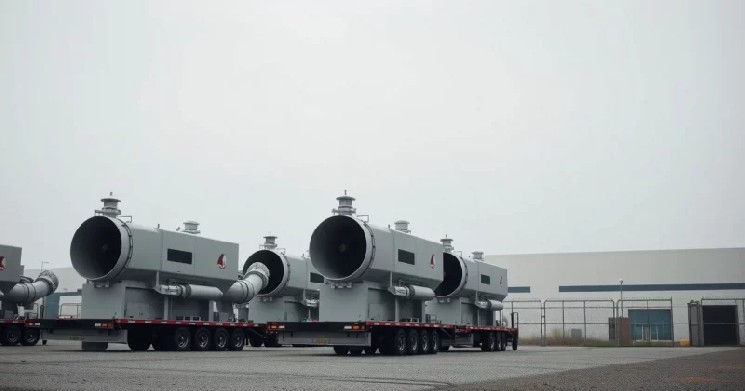
xAI’s facility near Memphis has already drawn serious legal heat. The NAACP, along with local environmental groups, has filed a lawsuit seeking to halt operations of the gas turbines at the site. The core allegation: the turbines are capable of emitting over 2,000 tons of nitrogen oxide annually. For context, NOx is a precursor to smog and respiratory illness, and 2,000 tons is not a small number for a single facility in a residential area.
The lawsuit doesn’t just target the emissions themselves. It challenges the broader approach of deploying industrial-scale power generation without, critics argue, adequate environmental review. If the plaintiffs succeed, it could set a precedent that affects how any company, AI or crypto, deploys on-site power generation.
AI’s insatiable appetite for electricity
Meta’s $10 billion data center facility in Louisiana is another example of this trend. These are not incremental capacity additions. They are massive, purpose-built power consumers that are fundamentally reshaping US energy demand patterns.
What this means for crypto and energy markets
If the NAACP lawsuit against xAI gains traction, any legal precedent around on-site fossil fuel power generation could easily be applied to Bitcoin mining operations that use similar setups. Several large mining operations in the US run on natural gas, either through direct turbine power or through behind-the-meter arrangements with gas producers. A ruling that requires more stringent environmental review for on-site gas generation would add cost and delay to these operations.
For investors in publicly traded mining companies and energy infrastructure plays, the key variable to watch is how quickly regulatory frameworks evolve to address on-site power generation at scale. If the Memphis lawsuit results in new permitting requirements, expect compliance costs to rise across the board.

 cryptobriefing.com