The Coinbase executive’s post further explains that crypto assets have specific “properties that naturally deter common approaches to sanctions evasion.” This is due to the fact that most blockchains are public, auditable, and traceable. As far as traceability is concerned, Grewal says when applied to public blockchain data, “analytics tools offer law enforcement additional capabilities.” Moreover, blockchains have permanence, Grewal’s blog post summarizes, as the chief legal officer states:
Once recorded on the blockchain, transactions remain immutable. No one (not crypto companies, not governments, not even bad actors) can destroy, alter, or withhold information to evade detection.
Coinbase Has Blocked More Than 25,000 Addresses Tethered to Russian Individuals and Entities
The Coinbase blog post is very much aligned with the large number of corporate entities complying with sanctions and cutting ties with Russia. Over the last 13 days, companies such as Netflix, Apple, Google, Tiktok, BP, Exxon, Equinor, Shell, Boeing, Airbus, Ford, Renault, Mercedes-Benz, Toyota, Visa, Mastercard, American Express, Dell, Meta, Ikea, and Nike have complied with international sanctions or cut ties with the Russian Federation.
Grewal notes in the company blog post that sanctioned individuals or entities are checked for during the onboarding process at Coinbase. The crypto company leverages sanction lists “maintained by the United States, United Kingdom, European Union, United Nations, Singapore, Canada, and Japan.” Additionally, Coinbase has sophisticated technology that can anticipate threats, Grewal disclosed.
“Coinbase maintains a sophisticated blockchain analytics program to identify high-risk behavior, study emerging threats, and develop new mitigations,” the firm’s chief legal officer said. Presently, the exchange blocks thousands of blockchain addresses related to individuals or entities stemming from Russia. Grewal’s post explains:
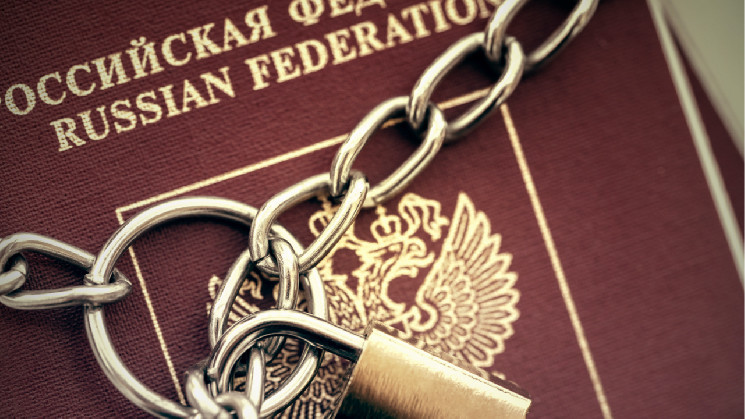
Today, Coinbase blocks over 25,000 addresses related to Russian individuals or entities we believe to be engaging in illicit activity, many of which we have identified through our own proactive investigations. Once we identified these addresses, we shared them with the government to further support sanctions enforcement.
The Coinbase executive ends the post by saying the firm aims to help people protect and build wealth, but at the same time “security, safety, and transparency” are important foundations. “Our commitment to sanctions compliance” is part of the process, the Coinbase blog post concludes.
Tags in this story
25000 addresses, addresses, Airbus, Apple, Bitcoin, Boeing, BP, BTC, chief legal officer, Coinbase, Coinbase blog post, Coinbase Compliance, Coinbase sanctions, Crypto, crypto assets, Digital Assets, Equinor, Exxon, Ford, Google, Netflix, Paul Grewal, Renault, Russia, russia sanctions, Russian Federation, Sanction Compliance, Sanctions, Shell, tiktok, Ukraine
What do you think about the Coinbase blog post regarding the company’s commitment to sanction compliance and how it has blocked 25,000 addresses stemming from illicit Russian activity? Let us know what you think about this subject in the comments section below.

 news.bitcoin.com