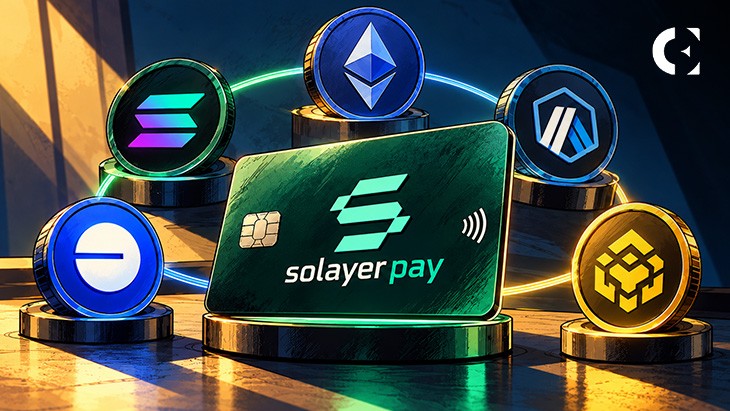
According to DefiLlama data, Ethereum holds approximately $143.6 billion in stablecoins out of a total market of roughly $301 billion. Solana accounts for around $15.9 billion, followed by $BNB Chain with $13.1 billion, Base with $5.2 billion and Arbitrum with $3.5 billion.
Combined, the five networks hold approximately $181 billion in stablecoins, representing about 60% of the total supply.
Previously, users holding stablecoins on a network unsupported by their payment provider might have needed to bridge their assets, swap tokens, or transfer funds through a centralized exchange before spending them. These additional steps can introduce transaction costs and delays.
Margie Feng, Solayer’s marketing lead, said users should be able to spend stablecoins without first moving them to another network.
“People hold stablecoins on whichever network they use most, and they shouldn’t have to move them somewhere else before they can spend them,” Feng said.
She added that the expanded support allows users to top up their accounts from the blockchain they already use.
Solayer Pay Expands Beyond Virtual Cards
Deposits from the five supported blockchains go into one balance that works with both virtual and physical Solayer Pay cards. Users can link their cards to Apple Pay or Google Pay for contactless payments and send funds to other Solayer Pay users.
The service launched in April 2025 as Emerald Card and now has more than 45,000 cardholders, according to Solayer.
In May 2026, Solayer introduced a physical card, allowing users in supported regions to make in-store payments and withdraw cash from ATMs.
Crypto card use is also growing. Monthly crypto card spending reached about $600 million in May 2026, up roughly 500% since September 2024.
Solayer Pay Supports Solayer’s Bigger Plans
Solayer Pay is part of Solayer’s broader blockchain project. The company is also developing a Layer 1 network compatible with the Solana Virtual Machine (SVM). Solayer says the network can handle over 330,000 transactions per second, with blocks finalized in about 400 milliseconds. SOL is used to pay transaction fees on the network.
Users can access Solayer Pay through its iOS and Android apps. However, they must complete identity verification (KYC) to get a card, and the service is unavailable in some countries.

 coinedition.com