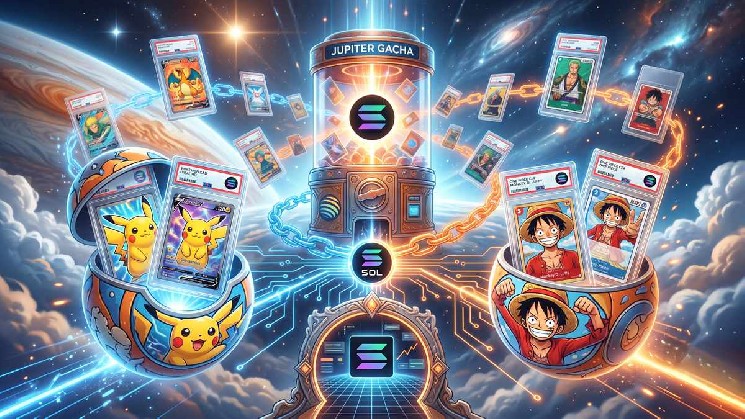
With this initiative, which was named Jupiter Gacha, users will be able to buy random packs containing real pieces that have already undergone a grading process by authentication agencies.
Each physical piece comes sealed in a rigid plastic protective slab. To facilitate liquidity, the protocol assigns a specific token on the network to each collectible, allowing the assets to be traded immediately throughout the decentralized exchange ecosystem.
The market for digitized real-world assets shows a diversification toward consumer goods and niche interests. According to second-quarter sector reports, the integration of these products seeks to attract traditional enthusiasts from secondary collectible markets toward decentralized finance.
The specialized firms Collector Crypt and Courtyard have already participated in the on-chain collectibles niche. During this past May, the commercial activity of tokenized versions of Pokémon cards experienced a notable increase, driven by the period of the thirtieth anniversary of the launch of the entertainment franchise originally from Japan.
Expansion of real-world assets on Solana
The incorporation of physical goods protected under this technical format could function as a catalyst to open liquidity channels in other high-end commercial segments. Analysts from the firm OpenSea noted in recent statements that the introduction of these on-chain mechanisms has the potential to reactivate general interest in the non-fungible token sector, which has recorded a decline in volumes compared to the historical highs observed between the years 2021 and 2022.
The technical infrastructure used to support the authenticity of tangible assets links the records of physical custody warehouses with the blockchain’s smart contracts. In this way, the user holds legal ownership of the digitized asset and retains the right to request the physical shipment of the product at any time, which invalidates the corresponding digital token to prevent the duplication of goods.
The decentralized financial platform increased its participation in the structuring of regulated and alternative markets within the Solana network. Recently, the digital securities issuance company Securitize selected the technological infrastructure of this aggregator to collaborate in the operational deployment of tokenized equities fully integrated into the blockchain under current regulatory frameworks.
The development of the collectibles segment presents itself as a testing ground for the migration of traditional sectors—including luxury items, high-end watches, and sports cards—toward digital order books. The protocol’s development team will maintain technical monitoring of the tool’s beta phase to evaluate the stability of the order-matching system and the user community’s response before proceeding with the deployment of the definitive version of the exchange interface.

 crypto-economy.com