
 ambcrypto.com

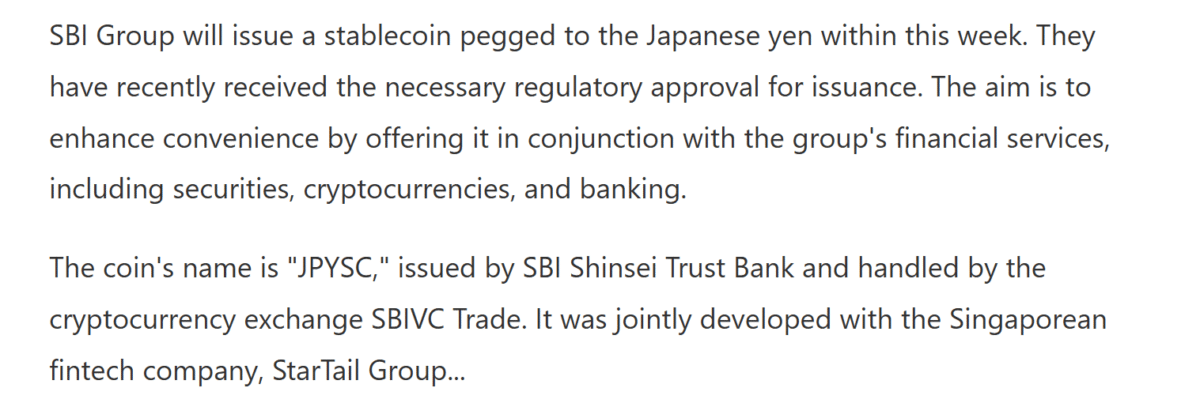
SBI Group is preparing to issue JPYSC, Japan’s first trust bank-backed yen stablecoin, after securing the necessary regulatory approval. This is yet another major step forward for SBI to offer regulated digital finances in Japan.
Before this, SBI secured the necessary regulatory structure to allow for creation via Shinsei Trust & Banking. Following that, SBI positioned JPYSC as a trust-based stablecoin with the purpose of bridging traditional finance to the blockchain infrastructure.
More importantly, JPYSC aims at institutional use instead of focusing on creating an audience for retail users. It can be used for large-volume settlement, treasury operations, and tokenized assets without some restrictions found in previous similar products.
Additionally, it includes stronger compliance and protection for investors under its Type III electronic payment instrument.
Currently early on-chain transaction volumes are very low due to a controlled rollout prior to the anticipated Q2 2026 start. However, interest from financial institutions currently suggests that demand may exceed just domestic payments.
If issuance and adoption accelerate, JPYSC could strengthen regulated yen liquidity while expanding Japan’s influence across global digital asset markets.
Can JPYSC gain institutional demand?
JPYSC’s launch will move the focus on adoption from the focus on issuance. The big question now becomes whether the stablecoin will be used by financial institutions for real-time operational payment and settlement processes.
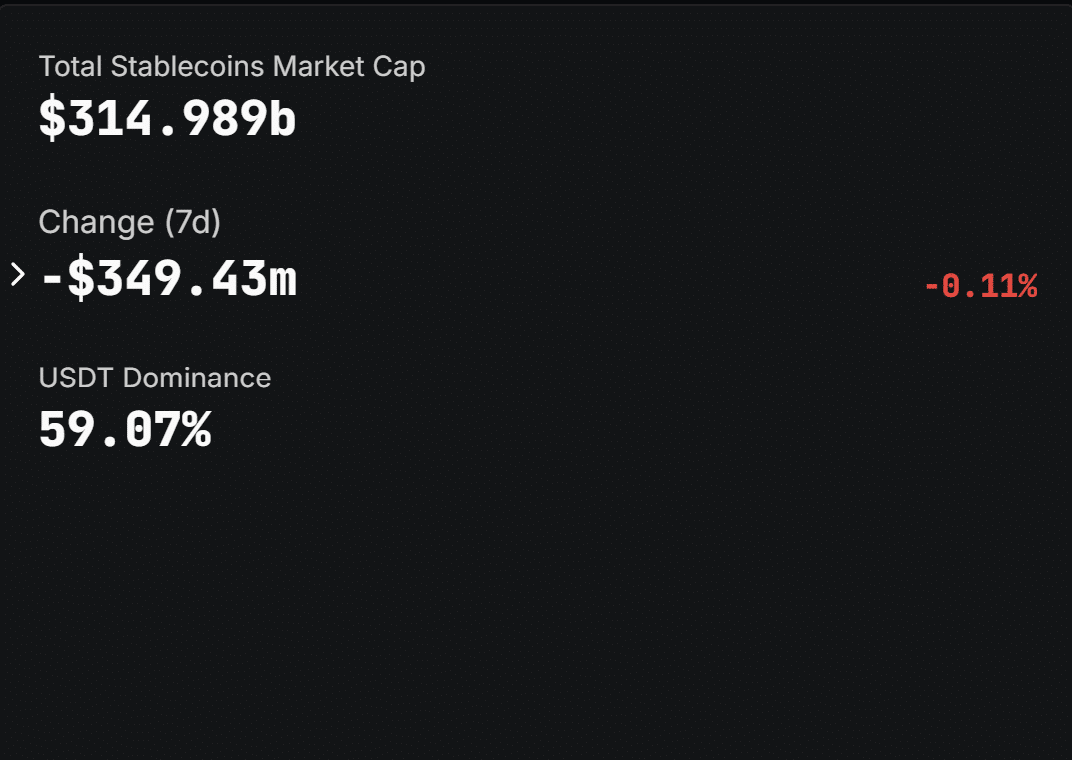
This represents a difficult challenge for JPYSC because dollar-pegged stablecoins still represent the majority of global stablecoin activity. Tether [$USDT] has over $186 billion in market capitalization and accounts for approximately 59% of the $315 billion global market share.
In addition, USD Coin [$USDC] also holds an additional $74 billion. Against that backdrop, yen-denominated liquidity remains a small part of the market.
Therefore, JPYSC must show that it can create yen-denominated liquidity that offers an advantage over using dollar-pegged stablecoins beyond regulatory compliance.
Ultimately, early signs of success such as transaction count and transaction volumes will be key indicators of traction.
Moreover, if financial institutions continue to use the stablecoin across borders, then this may indicate that they view reduced foreign exchange risk to be valuable enough to move their business off existing dollar-based rails.
However, until these cross-border flows begin, JPYSC will face challenges related to its long-term viability based upon its ability to attract users rather than issuers.
- JPYSC’s success will depend on institutional payment activity, not issuance alone, as adoption becomes the next major test.
- JPYSC faces strong competition from $USDT and $USDC, making cross-border usage critical to long-term growth.