
 blockster.com
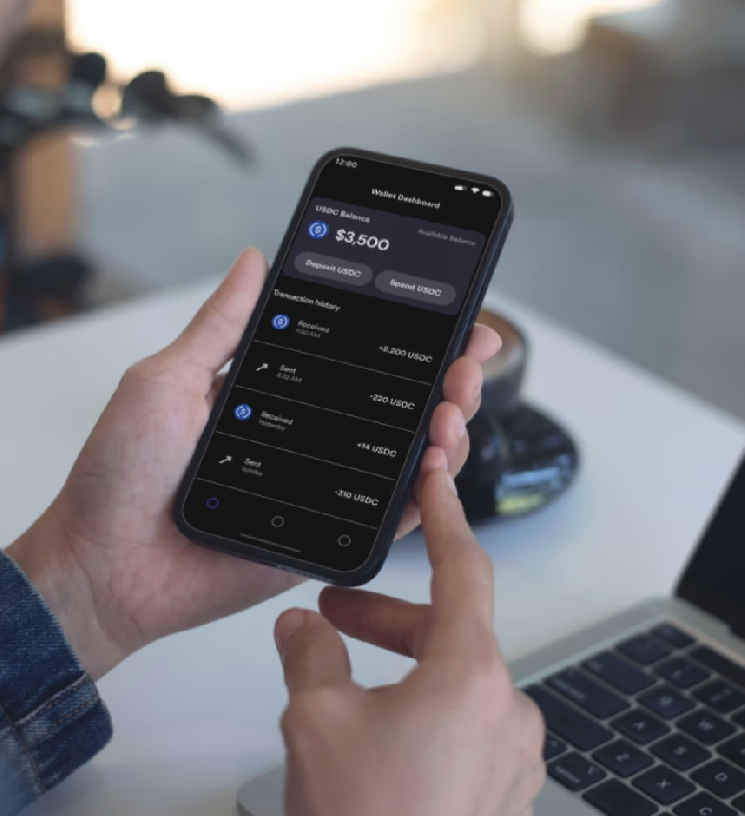
Most people have never heard of Nium. But there's a good chance money has moved through its infrastructure.
The Singapore-based payments company powers cross-border payouts, card programs, and treasury services for banks, fintechs, and enterprises around the world. Operating across more than 190 countries and holding over 40 regulatory licenses globally, Nium has quietly become one of the largest payment networks most consumers never see.
Now it's bringing stablecoins into that network.
Circle has partnered with Nium to integrate $USDC settlement into its global payout infrastructure, allowing businesses to move funds using stablecoins while settling payments in more than 100 local currencies.
For Circle, it's another step toward making $USDC a global settlement layer. For Nium, it provides customers with direct access to stablecoin liquidity without requiring them to build their own crypto infrastructure.
Solving a Multi-Billion Dollar Problem
One of the biggest inefficiencies in international payments is prefunding.
Businesses operating globally often need to keep capital parked across multiple countries and banking systems to ensure payments can be processed quickly.
The process ties up capital, increases operational complexity, and creates friction across global payment flows.
The Circle-Nium partnership introduces a just-in-time settlement model that allows businesses to fund transactions using $USDC and settle payments when needed, rather than maintaining balances across dozens of jurisdictions.
Behind the scenes, Nium has integrated Coinbase's stablecoin infrastructure directly into its platform, including wallets, custody, liquidity, and on/off-ramp services.
For customers, the experience is designed to feel simple: accept $USDC, convert it when necessary, and send funds to bank accounts, cards, or digital wallets through Nium's existing payout network.
Stablecoins Are Moving Beyond Crypto
The announcement reflects a broader shift taking place across financial services.
For years, stablecoins were primarily used for trading digital assets.
Today, they are increasingly being used for payments, treasury management, remittances, and cross-border settlement.
That evolution is attracting attention from banks, fintechs, payment processors, and global enterprises looking for faster and more efficient ways to move money internationally.



