
 cryptobriefing.com
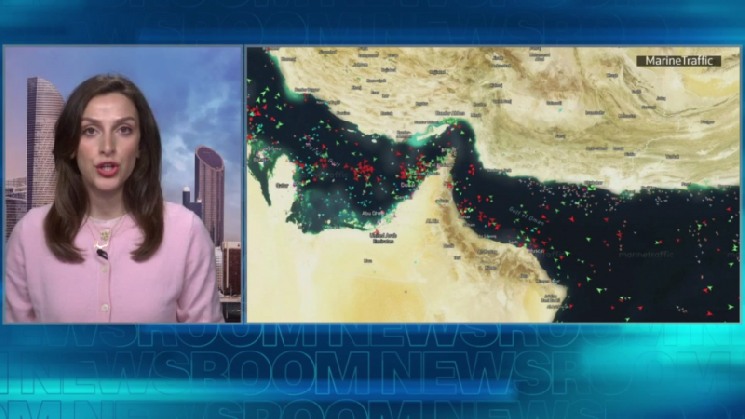
Iran has put a peace plan on the table, and it comes with a list of conditions that reads less like an olive branch and more like a negotiating position from someone who knows they have leverage. The proposal includes lifting sanctions, maintaining Iranian control over the Strait of Hormuz, and continuing future talks through written exchanges rather than face-to-face meetings.
What Iran is actually asking for
The core of Iran’s counter-proposal rests on three pillars. First, the removal of economic sanctions that have strangled the country’s ability to participate in global financial systems for years. Second, continued sovereignty over the Strait of Hormuz, the narrow waterway through which roughly a fifth of the world’s oil supply passes daily. Third, a pivot away from in-person diplomacy to written exchanges, a format that gives Tehran more control over the pace and framing of negotiations.
The sanctions question and financial markets
The conventional financial system is the primary arena for these sanctions discussions. There are no references to crypto-specific sanctions or blockchain-based workarounds in the current negotiations. The focus remains squarely on traditional banking channels, oil trade infrastructure, and the mechanics of international payments through systems like SWIFT.
What this means for investors
The direct market impact on crypto from these negotiations is, at this stage, minimal. No Bitcoin, no Ethereum, no stablecoins are part of the discussion. The talks are about oil, military posturing, and conventional financial access.