
 sandmark.com
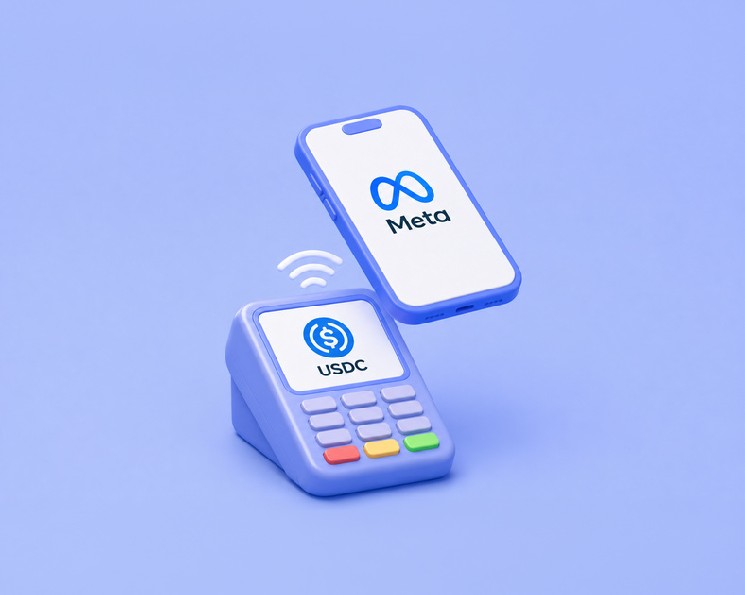
Meta (META) has launched a limited pilot offering USD Coin ($USDC) payouts to select content creators in Colombia and the Philippines, marking its most direct move into crypto payments since the collapse of its Libra project.
The test, powered by payments partner Stripe, lets eligible creators on Facebook, Instagram and WhatsApp receive earnings in the dollar-pegged stablecoin by linking wallets on Solana (SOL) or Polygon (MATIC).
This initiative, announced on the company's Facebook page, comes as Meta shifts resources away from costly metaverse efforts toward practical efficiencies in its creator economy. It targets regions with strong crypto familiarity and traditional banking frictions, promising faster settlements and lower fees.
Metaverse retrenchment
Meta rebranded from Facebook to Meta Platforms in 2021 during the height of metaverse excitement, investing heavily in virtual worlds accessed via VR and AR headsets. Its Reality Labs division posted a $19.2bn operating loss in 2025 alone, with cumulative losses since 2020 exceeding $80bn.
High hardware prices, technical challenges and limited consumer uptake prompted a strategic pullback. Earlier in 2026, Meta removed Horizon Worlds from the Quest VR headset store as part of a shift to mobile-focused experiences. Although the company has not abandoned immersive technology entirely, it has redirected spending toward artificial intelligence and core social products.
Stablecoin test details
Creators must meet Meta’s standard $25 minimum payout threshold before opting into $USDC. They link self-custodial wallets such as MetaMask, Phantom or local solutions including GCash GCrypto and Coins.ph. The pilot targets a small group of monetizing creators, with no public details yet on exact participant numbers or performance.
$USDC, issued by Circle and backed by US dollar reserves, maintains near-perfect price stability unlike volatile assets such as Bitcoin (BTC) or Ether (ETH). Solana and Polygon deliver near-instant, low-cost onchain transfers – often under a second and fractions of a cent – compared with traditional cross-border methods that take days and incur higher fees.
Comparisons, regulatory context
Rivals have tested similar features. YouTube has enabled payouts in PayPal’s PYUSD stablecoin for select creators, while X has explored revenue sharing tied to content. TikTok has expanded monetization options but without broad stablecoin support. Meta’s pilot stands out for its focus on emerging markets with high crypto adoption.
The approach avoids past regulatory minefields. Meta’s Libra/Diem initiative failed amid concerns over systemic risk, privacy and monetary policy. By using regulated partners like Stripe and established stablecoins, the company minimizes compliance risks. Any success could reassure investors of a pragmatic entry into digital payments.
Strategic implications
Creator economies in Latin America generated roughly $10.8bn in 2024 and are forecast to reach nearly $98bn by 2033, according to the Grand View Research report "Latin America Creator Economy Market Size & Outlook, 2033." Colombia and the Philippines, with active crypto user bases and remittance flows, offer ideal testing grounds.
$USDC has seen trillions in cumulative onchain volume across networks, demonstrating robust infrastructure. For Meta, which supports millions of creators worldwide, even partial adoption could reduce payout expenses and boost retention in areas with volatile local currencies or limited banking access.
Neither Meta nor Stripe responded to requests for comment on expansion timelines, creator feedback or metrics.