cointelegraph.com

Singapore fintech Nium has selected Coinbase to integrate $USDC payments into its global network to send, receive and convert stablecoins to fiat across more than 190 countries through a single platform.
According to a Tuesday announcement, the integration uses Coinbase’s infrastructure for custody, liquidity and wallet services, enabling Nium’s customers to fund cross-border payouts in $USDC and settle in either stablecoins or local currencies without relying on prefunded accounts.
Nium said the setup supports just-in-time settlement, allowing funds to be deployed at payout rather than held across multiple jurisdictions, and includes options to link stablecoin balances to card programs for real-world spending.
According to Nium, its network supports more than 100 currencies, with local collection in 40 markets, real-time payouts in over 100 corridors and more than 40 regulatory licenses worldwide.
The rollout follows the company’s recent launch of a platform that enables businesses to issue stablecoin-funded cards on Visa and Mastercard networks, with balances converted to fiat at the point of sale and settlement, compliance and integration handled through a single system.
USD Coin ($USDC), a US dollar-pegged stablecoin launched in 2018 by Circle and Coinbase, is designed to maintain a 1:1 value with the dollar and is backed by cash and short-term US Treasury reserves.
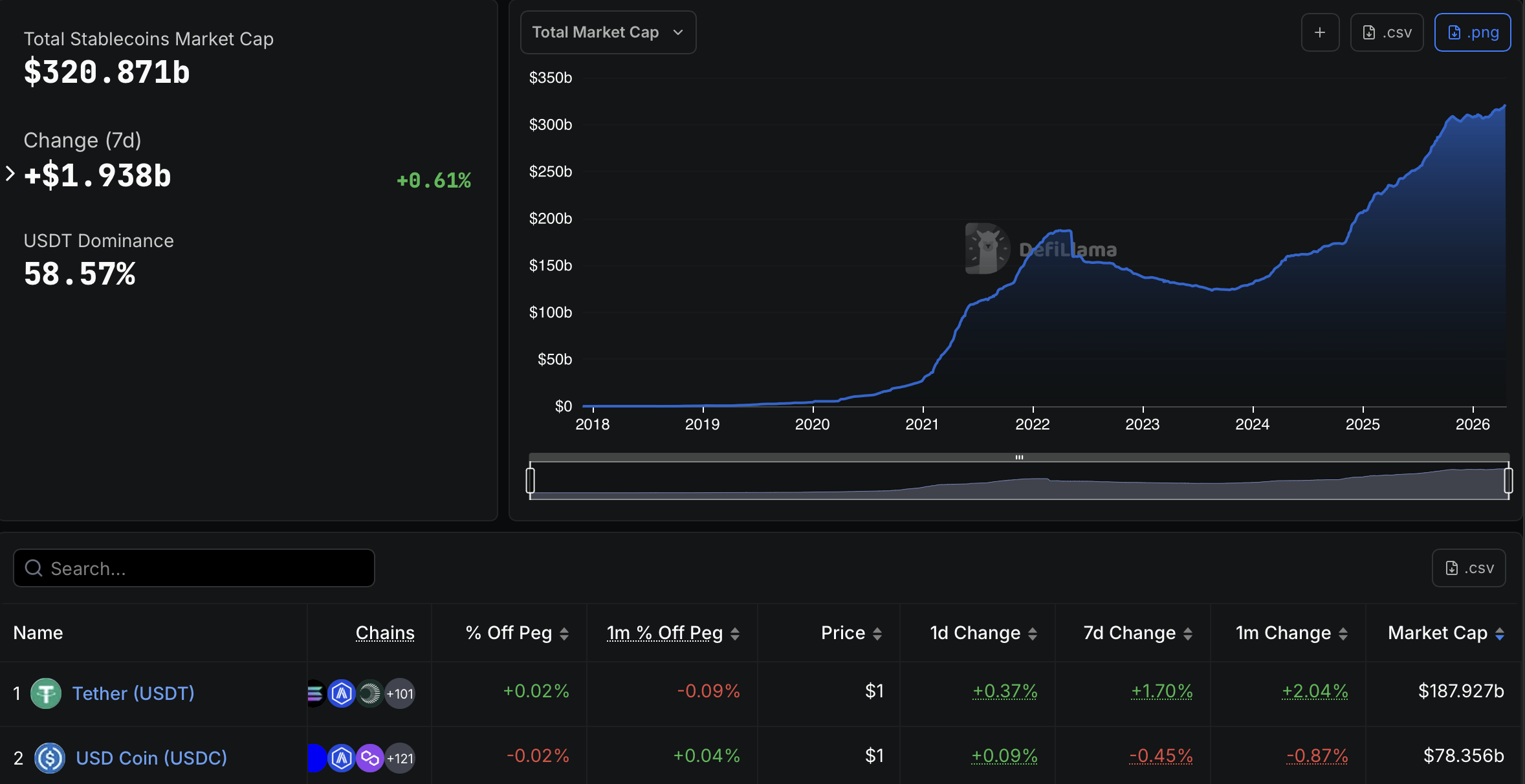
According to DefiLlama data, it is the second-largest stablecoin by market capitalization, at around $78 billion, behind Tether’s $USDT ($USDT), which stands at roughly $188 billion.
Related: Iran views BTC as strategic asset, but USDt still dominates oil tolls: BPI
Circle expands $USDC use in cross-border payments
Circle has been expanding $USDC’s role in cross-border payments through a series of partnerships aimed at integrating stablecoin settlement into existing financial networks.
In March, the company teamed with Sasai Fintech to expand $USDC payments across African corridors, targeting remittances, business transactions and mobile wallets. In parts of Sub-Saharan Africa, remittance costs exceed 7%, well above the UN’s 3% target.
Earlier this month, Circle teamed up with Thunes to expand $USDC settlement across its global payments network, enabling near real-time cross-border transfers while reducing reliance on prefunded accounts. The integration extends $USDC-based liquidity across Thunes’ network, which spans more than 140 countries.
Recent data shows increasing $USDC activity. A CEX.IO report earlier this month found the stablecoin’s supply grew by about $2 billion in the first quarter, while Tether’s $USDT declined by roughly $3 billion, marking a divergence between the two for the first time since 2022.
Magazine: Adam Back says current demand is ‘almost’ enough to send Bitcoin to $1M