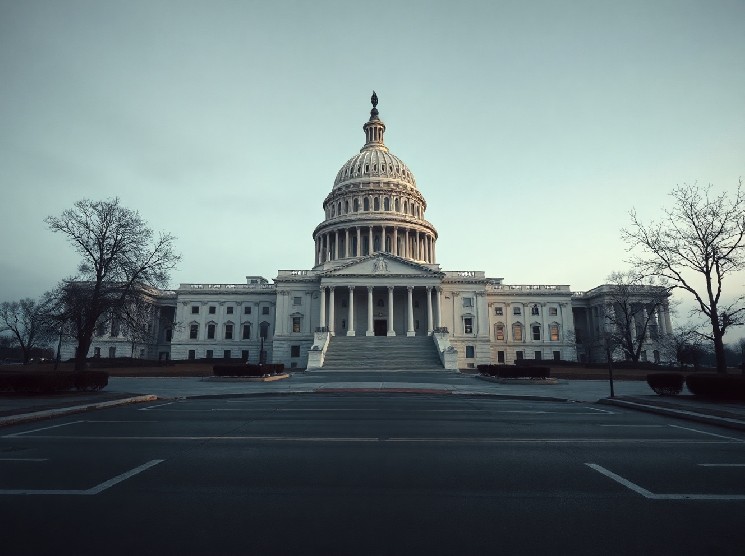
Political Climate Shifts Against Crypto Legislation
Seiberg also pointed to broader political dynamics that are complicating the bill’s path. Recent events involving former President Donald Trump and his administration have made it more difficult for Democrats to support cryptocurrency-related legislation without appearing to align with the former president’s policy agenda. This partisan entanglement, he argued, is eroding what little bipartisan goodwill the bill once had.
The Clarity Act was initially introduced as a framework to provide regulatory certainty for digital assets, including stablecoins and trading platforms. Proponents argue it would help the U.S. maintain competitiveness in the global crypto market, while critics contend it lacks sufficient consumer protections.
What This Means for the Crypto Industry
For crypto businesses and investors, the stalled legislation means continued regulatory ambiguity. Without a clear federal framework, companies remain subject to a patchwork of state-level rules and enforcement actions from agencies like the SEC and CFTC. Industry observers have noted that prolonged uncertainty could drive innovation overseas, particularly to jurisdictions like the European Union and Singapore that have already enacted comprehensive crypto regulations.
The timeline for the Clarity Act now appears uncertain at best. With the 2024 election cycle approaching, legislative bandwidth is expected to shrink further, reducing the window for complex financial bills to reach the president’s desk.
Conclusion
TD Cowen’s assessment reinforces what many on Capitol Hill have quietly acknowledged: the Clarity Act is unlikely to become law this year. While the bill is not dead, its path forward is narrow and increasingly partisan. For now, the crypto industry must continue navigating an uncertain regulatory landscape without the clarity the bill’s name promises.
FAQs
Q1: What is the Clarity Act?
The Clarity Act is a proposed U.S. federal law aimed at creating a regulatory framework for digital assets, including stablecoins and cryptocurrency trading platforms. It seeks to define which agency oversees different aspects of the crypto market and establish consumer protection rules.
Q2: Why is the bill unlikely to pass this year?
According to TD Cowen analyst Jaret Seiberg, the political climate has worsened due to partisan divisions, unresolved conflict-of-interest provisions, and the influence of Trump-era political dynamics that make it harder for Democrats to support crypto legislation.
Q3: What happens if the Clarity Act does not pass?
Without the Clarity Act, the U.S. crypto industry will continue operating under existing securities and commodities laws, with enforcement actions from the SEC and CFTC. Regulatory clarity would remain fragmented across state lines, potentially pushing innovation to countries with clearer rules.

 bitcoinworld.co.in