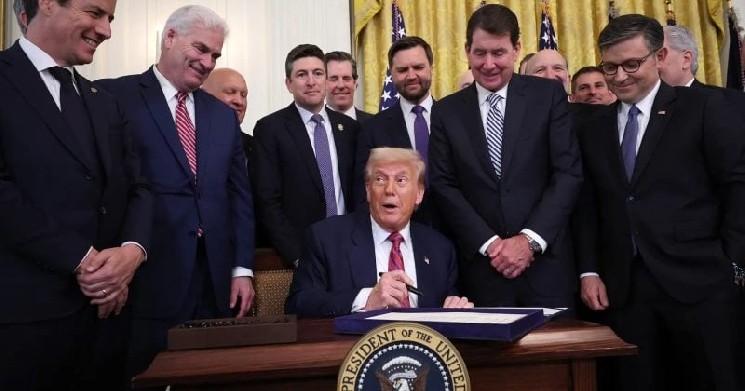
The legislation arrives on the heels of the $GENIUS Act, which has already been signed into law. That bill established a comprehensive federal regime for payment stablecoins, a move the White House described as a historic win for US competitiveness. The CLARITY Act is designed to complement the $GENIUS Act by tackling the broader digital asset market that stablecoins alone don’t cover.
Senate amendments could change everything
Some Republicans and industry groups have expressed concern that proposed amendments could shift the bill’s regulatory balance away from its original intent, effectively giving one agency or set of incumbents outsized influence over how digital assets are governed.
Industry representatives have warned that altering the bill too aggressively could undermine the framework that made it attractive enough to earn bipartisan support in the first place. Critics of the proposed Senate amendments argue that diverging from the $GENIUS Act’s industry-friendly approach risks creating a patchwork of conflicting rules rather than the unified framework the industry has been demanding for years.
Lawmakers have been targeting May as the timeline to finalize the legislation and send it to President Trump. But warnings from both sides of the aisle suggest that timeline could slip if Senate negotiations turn into a prolonged fight over amendments.
Why this matters for investors
Regulatory clarity is the single most frequently cited barrier to institutional crypto adoption in the US. A defined boundary between securities and commodities tells exchanges which compliance framework to follow, tells custodians how to structure their services, and tells institutional investors which legal protections apply to their holdings.
Watch the Senate markup process closely. The specific language around how tokens transition from securities to commodities, and which agency oversees that transition, will determine whether this bill actually delivers the clarity its name promises.

 cryptobriefing.com