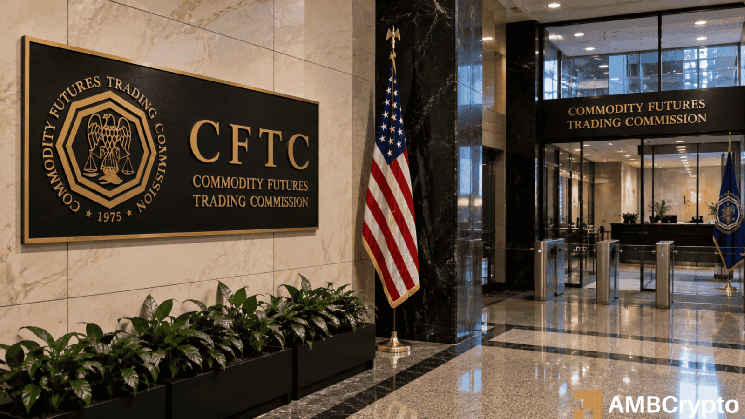
“The CFTC will not allow overzealous state governments to undermine the agency’s longstanding authority over these markets,” CFTC Chairman Michael S. Selig said in a statement accompanying the filing.
CFTC says event contracts are federally regulated swaps
At the center of the dispute is whether sports prediction contracts should be treated as gambling products or federally regulated financial derivatives.
The CFTC argued that contracts tied to the outcome of sports games qualify as “swaps” because payouts depend on the occurrence or outcome of an event with potential economic consequences.
The agency warned that allowing states to apply gambling laws to these contracts would undermine decades of federal commodities regulation.
The filing noted that event contracts tied to elections, weather, bankruptcies, interest rates, and other outcomes have traded under CFTC oversight for years.
According to the agency, sports-related contracts are simply the latest evolution of that market.
States and prediction markets remain on collision course
The brief forms part of a broader legal battle between the CFTC and multiple state regulators attempting to block prediction market platforms.
The agency said states, including Arizona, Connecticut, Illinois, New York, and Wisconsin, have attempted to interfere with federally regulated event contracts.
Ohio regulators previously argued that Kalshi’s sports contracts amounted to unlawful sports betting under state law.
The CFTC rejected that interpretation, arguing that only the federal regulator can determine whether such contracts violate public-interest standards under commodities law.
The agency also warned that allowing state-by-state regulation could destabilize national derivatives markets and create conflicting legal standards across the country.
The case is being closely watched across both traditional finance and crypto markets, especially as prediction platforms gain popularity around sports, elections, macroeconomic data, and digital assets.
Final Summary
- The CFTC told a federal appeals court that states cannot regulate prediction markets as gambling because event contracts fall under federal swaps law.
- The case could shape the future of sports prediction markets and broader crypto-linked event trading platforms in the U.S.

 ambcrypto.com