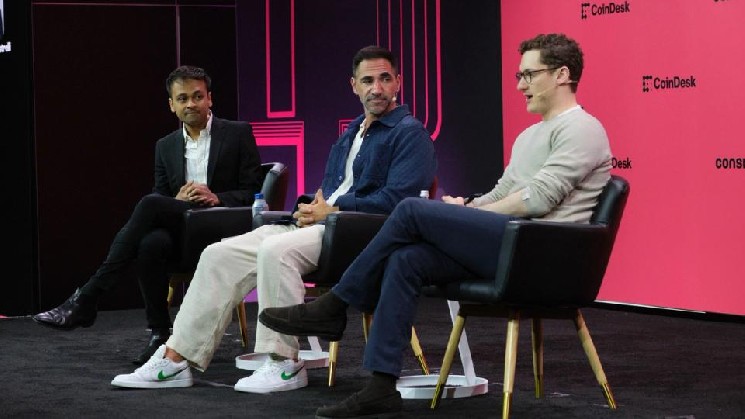
Adam Mastrelli, founder of 57 Maiden, a firm that builds AI-driven trading strategies for prediction markets, validated the critique with personal experience.
"My partner and I got kicked off of two big sportsbooks within two months of trading because we were sharp," he said, It's like "LeBron James getting kicked out of the NBA for being too good," he added.
Mastrelli said the team turned to Novig, which he said charges no fees and allows traders to create synthetic positions.
Mastrelli said his firm's edge decayed quickly, and of 154 proposed trading strategies, only three currently run profitably.
"This edge will go away," he said, "so if you can build systems that can keep up with that edge and that alpha… then it becomes really, really intriguing." His most profitable season, he said, was the WNBA.
Fortinsky said Novig is on track to transition this summer from a sweepstakes model live in 35 states to a federal DCM framework that will let it operate in all 50 states. An earlier attempt to be regulated at the state level in Colorado, he said, was a wake-up call. "Regulators told us essentially you're naive if you think we care about consumer protection or innovation or market efficiency. We really just care about our tax revenue," he said.
The federal-state fight, Fortinsky added, is "going to get to the Supreme Court in the next two or three years," with 15 pending lawsuits between the Commodity Futures Trading Commission, Kalshi, Robinhood and various states. Within prediction markets, he argued sports is "counterintuitively actually the safest vertical," given the bigger insider-trading and manipulation concerns around political and event-driven contracts.
Mastrelli, who said he avoids offshore platforms entirely, compared prediction markets to equities exchanges: "When I see a robust equities market now, this is AQR against SIG. It doesn't go away."

 coindesk.com