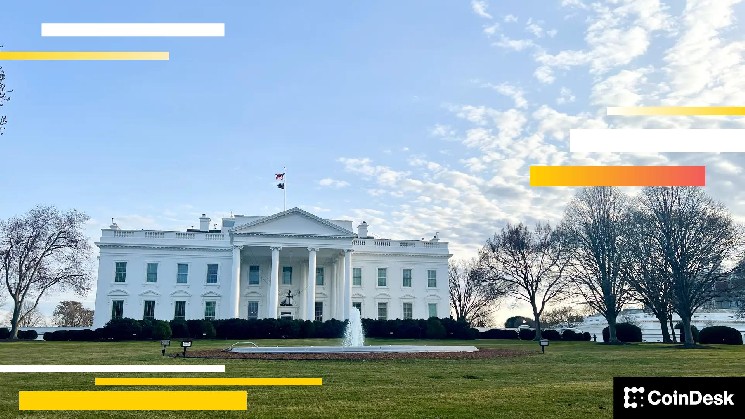
This was the third White House sitdown between bankers and crypto insiders, and after the bankers dug in their heels on allowing stablecoin rewards last time, White House negotiators arrived at the table with a position that some rewards must be allowed for certain activities and transactions, but not for holdings of stablecoins that more closely resemble deposit accounts. The White House team — led by President Donald Trump's crypto adviser, Patrick Witt — urged a quick resolution on this point that allows the legislation to move forward, the people said.
That reflects the fear expressed by bankers: that stablecoin rewards would undermine their bread-and-butter business model that depends on customers making interest-bearing deposits.
Participants at the meeting privately expressed hopes that the compromise they've waited for is potentially very close. Spokespeople for the White House didn't immediately respond to a request for comment.
"Today's meeting at the White House was a constructive step forward in resolving outstanding issues related to rewards and keeping market structure legislation on track," Blockchain Association CEO Summer Mersinger, who has been among those at the table, said in a statement after the gathering.
If the banks decline to shake hands on limited rewards, the status quo is the $GENIUS Act, which gives crypto platforms a much freer hand with rewards programs than this proposal would. If they instead give this approach a nod, their agreement would be likely to sway reluctant senators back into support.
However, this is just one of several holes in the Clarity Act that need to be filled with negotiated language. The crypto industry also remains very involved in the requests from Democratic lawmakers that the bill ramp up the protections against bad actors in crypto, especially in the decentralized finance (DeFi) space.
Also, Democratic negotiators have insisted on a couple of other points that may put them at odds with the White House. They've demanded a ban on senior government officials getting directly involved in the crypto industry — a position targeted most directly at President Donald Trump. They've also called for the White House to name a full slate of commissions at the Commodity Futures Trading Commission and the Securities and Exchange Commission, including their Democratic vacancies.
None of the Democrats' major issues have yet been resolved. If the Senate Banking Committee moves forward with a hearing to advance the bill, as the Senate Agriculture Committee did, the outcome may again be partisan if the parties don't find answers to those points. That won't prevent the legislation's advancement through the next step, but it can't win approval from the overall Senate without significant Democratic support.
Read More: Latest White House talks on stablecoin yield make 'progress' with banks, no deal yet

 coindesk.com