
 coindesk.com
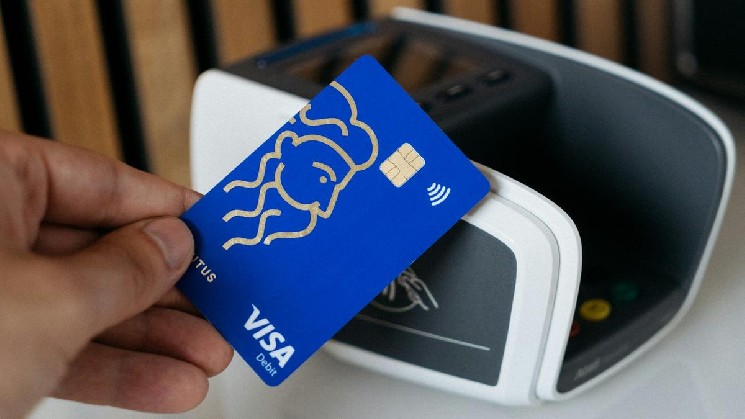
Ever-growing cashback limits, high returns on cash balances, massive discounts on some purchases: crypto-backed payment cards are offering rewards that seem nearly impossible to match.
The problem for some card providers is that the price they’re paying for growth is more than the customers they attract bring in.
Consider KAST. The stablecoin-powered financial platform, which issues cards on the Visa network, moved from near break-even into losses as it increased spending on growth, CEO Raagulan Pathy told CoinDesk in an interview.
Or Bleap, which offers up to 15% on returns on crypto holdings and 20% cashback on purchases. If all customers do is spend on its Mastercard and collect cashback, they can be unprofitable, Bleap Latvia CEO Eduards Timofejevs said in a separate interview.
The companies are betting that, eventually, those customers will trade, borrow or pay for extra services, turning the promotional spend into a lasting source of revenue. Until then, more users and higher outlays mean a bigger subsidy bill.
“You take a loss on acquiring the customer at the beginning, but then you sell them more and more features,” Pathy said.
KAST illustrates the gap. The company advertises reward rates on its Reserve account of 8% to 12%, depending on membership tier. But the assets backing the product generate just 3.5% to 4%, and KAST has to fund the difference.
Pathy said Reserve had attracted tens of millions of dollars by September, and the subsidies were costing the company a lot. He said he viewed the expense as a way to win market share.
“Previously we were nearly break even. Now we’re loss-making,” he said.
It’s an approach that requires money and time. That’s okay for KAST, which raised $80 million in March in a fundraising round led by QED Investors and Left Lane Capital. Pathy said in the interview, conducted last month, that it had four to five years of runway and investors were not pushing it to rush toward profitability.
He pointed to membership fees, business services and planned products such as tokenized stocks as ways to earn more from customers. A larger business should also secure better terms from infrastructure providers, he said.
KAST did not disclose how much it spent on subsidies, nor provide an updated Reserve balance or directly answer whether the company remained unprofitable when asked recently.



