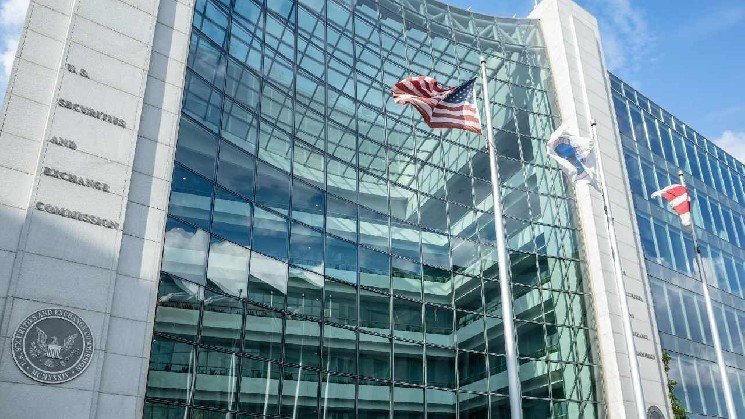
The agenda covers potential rule proposals related to the offer and sale of crypto assets to help clarify the regulatory framework for crypto assets and provide greater certainty to the market. A key priority of my chairmanship is clear rules of the road for the issuance, custody, and trading of crypto assets while continuing to discourage bad actors from violating the law.
Two initiatives are central to this effort. The first, led by the SEC’s Division of Corporation Finance, would establish rules for the offer and sale of digital assets, potentially including exemptions and safe harbors, with a notice of proposed rulemaking scheduled for April 2026. The second, overseen by the Division of Trading and Markets, would amend Exchange Act rules to account for how crypto assets trade on alternative trading systems and national securities exchanges, also targeted for April 2026. Both proposals are classified as economically significant and represent the first time such measures have been incorporated into the Unified Agenda, underscoring a formal shift in the SEC’s regulatory posture toward digital assets.
Beyond crypto, the SEC’s agenda includes deregulatory measures designed to ease compliance costs, expand investor access to private businesses, and modernize outdated disclosure requirements. It also contemplates seeking public input on the Consolidated Audit Trail (CAT), a market surveillance project facing criticism over escalating costs and risks of concentrated data storage, particularly after a recent U.S. Court of Appeals for the Eleventh Circuit ruling.
By advancing crypto-specific rules, modernizing disclosure, and reassessing legacy programs like CAT, Atkins’ roadmap reflects an attempt to strike a balance between fostering innovation and maintaining investor protection. Supporters of digital asset regulation argue that regulatory clarity will bolster U.S. competitiveness in global finance, while skeptics continue to warn of the risks tied to rapidly evolving crypto markets.

 news.bitcoin.com