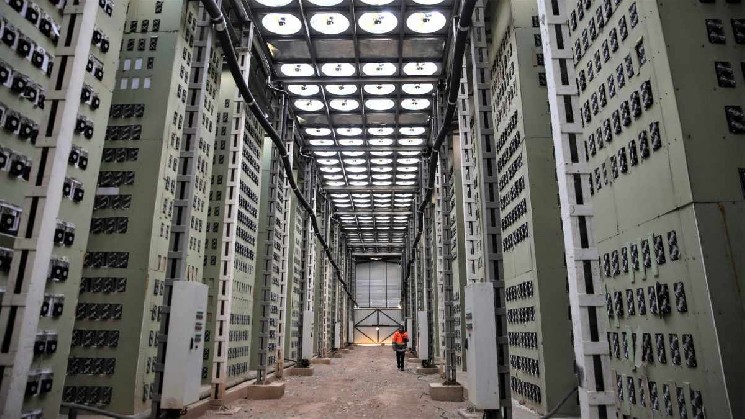
As part of the transition, the company is transforming approximately 500 megawatts of its existing Bitcoin mining infrastructure into modern, liquid-cooled AI data centers. This provides a competitive edge in an environment where access to electrical power has become a primary constraint for the development of the AI industry.
Market Bets on AI Over Crypto
Despite the growing debt, investors are backing the strategy. The company’s shares (CORZ) have appreciated significantly over the past year as the market increasingly values the potential of AI infrastructure compared to the volatility of the crypto sector.
Institutional interest also remains strong, with nearly all capital held by large investors. Additionally, the company took steps to “clean up” its balance sheet, including the sale of its remaining Bitcoin reserves to improve liquidity and attract a new class of lenders.
Risks Behind the Transformation
Despite the optimism, the transition to AI infrastructure carries substantial risks. The new debt significantly increases financial risk, and data center construction projects require massive capital expenditures and strict execution.
Additional pressure comes from the so-called “completion guarantee”—a commitment where Core Scientific must cover any potential construction cost overruns. This puts the company under pressure to complete projects within budget, especially in an environment of rising material and labor costs.
A Bet on the Future of Infrastructure
With the goal of reaching a total capacity of approximately 1.2 gigawatts by combining AI and remaining crypto operations, Core Scientific is positioning itself at the center of one of the fastest-growing segments in technology.
This strategic shift reflects a broader trend: companies built around the crypto industry are redirecting resources toward AI—a sector that promises more sustainable growth and higher revenue predictability. In this context, Core Scientific’s move is not just a financial operation, but a transformation that could define its future over the next decade.

 cryptodnes.bg