A potential SpaceX IPO continues to capture investor imagination, with expectations that the company could seek a valuation of up to $2 trillion.
The company has reportedly filed confidentially with the U.S. Securities and Exchange Commission (SEC), and its prospectus could be unveiled in late May.
Given that the IPO is expected to outshine even the biggest market debuts in recent years, investors are already positioning ahead of the listing, hoping to capitalize on a ripple effect across the broader space sector.
Know when your coins move
Alerts, real-time prices, and market news — all in one app
4.8 based on 40K reviews in the App Store and Google Play
With only a limited window before the anticipated listing, Finbold has singled out two stocks worth checking out before what is shaping up to be a historic market event.
1. Rocket Lab (RKLB)
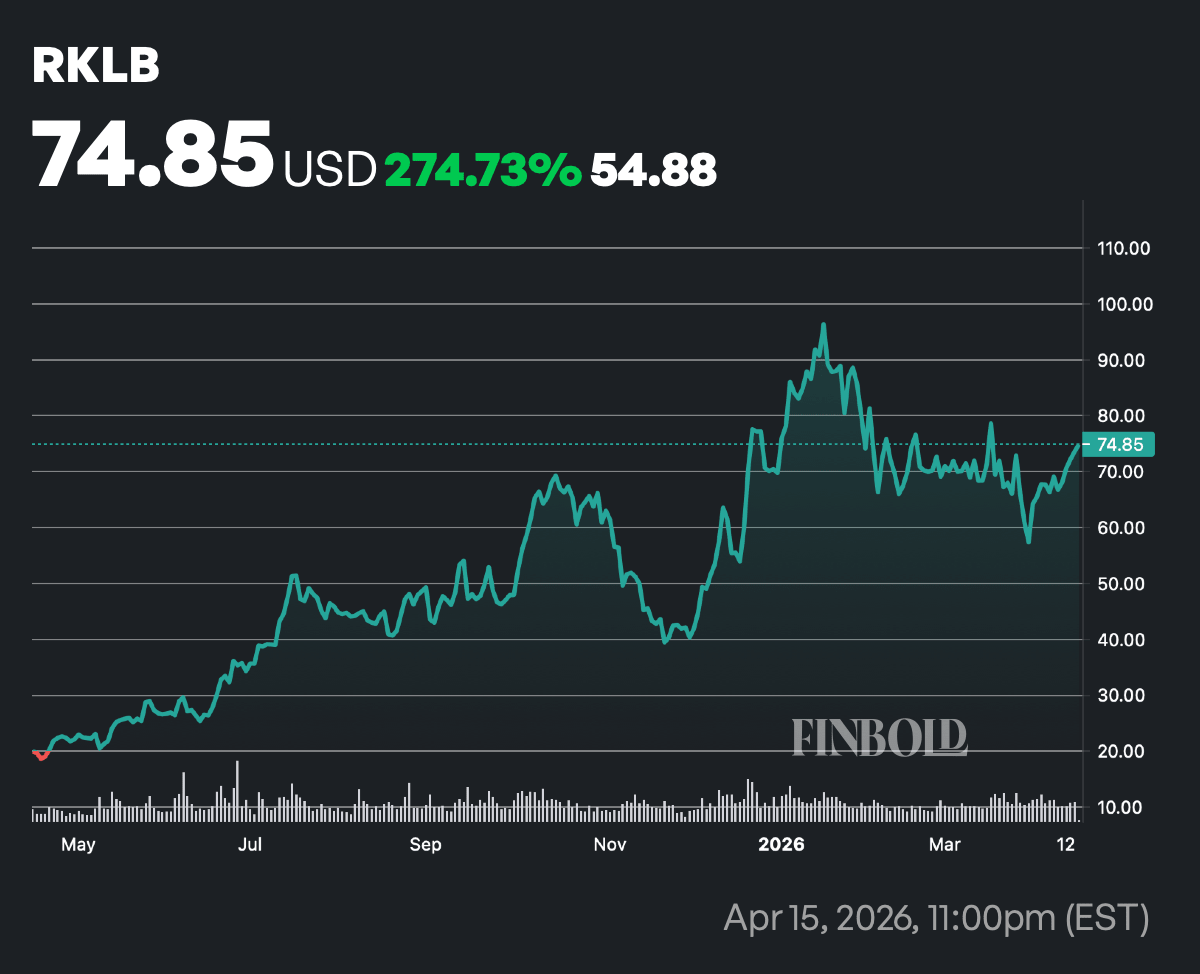
First on the list, Rocket Lab (NASDAQ: RKLB) is one of the most established publicly traded space companies and SpaceX’s leading competitor. Headquartered in California, the company provides a range of end-to-end space services, including rocket launches, satellite manufacturing, and mission integration.
Yearly RKLB stock price. Source: Finbold
In 2025, Rocket Lab generated $601.8 million in revenue, marking a roughly 38% year-over-year increase. Now, its focus is on advancing technology such as the Gauss electric satellite thruster system designed for high-volume production. What’s more, potentially human spaceflight missions have also been mentioned, and Neutron, the firm’s medium-lift reusable rocket, is intended to compete directly with SpaceX’s Falcon 9.
Looking ahead, Rocket Lab’s growing backlog of around $1.9 billion underscores sustained demand for its services. However, valuation remains a key consideration, as the stock currently trades at approximately 60 times trailing sales.
Nonetheless, the premium could be justified by the company’s accelerating launch schedule and broader tailwinds in the space industry, especially if a SpaceX IPO manages to drive increased institutional investment in the sector.
2. Planet Labs (PL)
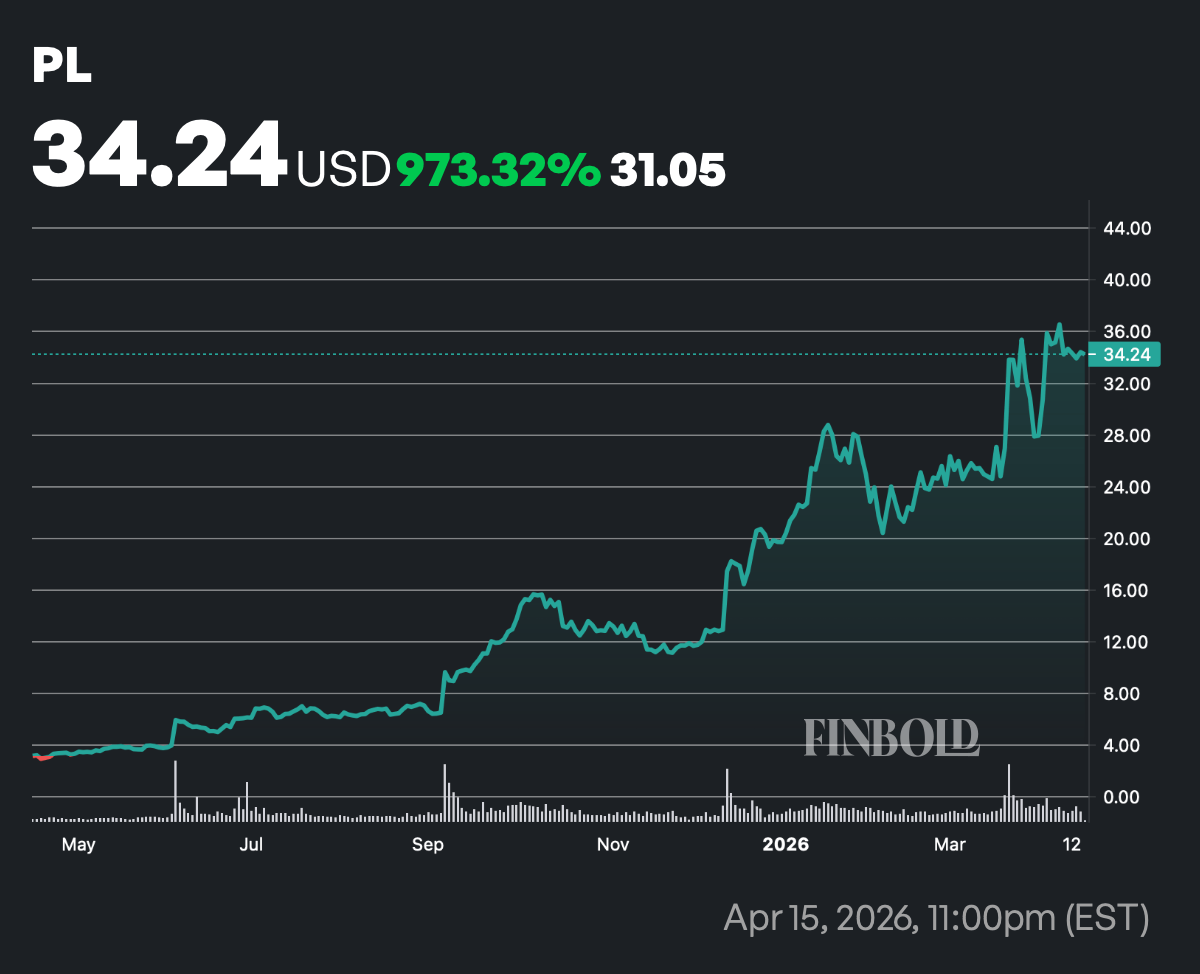
Our second pick, Planet Labs (NASDAQ: PL) operates the largest fleet of imaging satellites globally and is now also positioning itself as a data intelligence platform. The company reported fiscal 2026 revenue of $307.7 million, up 26% year over year.
Yearly PL stock price. Source: Finbold
In this instance, the link to SpaceX is direct. Namely, the company relies on SpaceX’s Falcon 9 rockets to deploy its satellites. In other words, each launch contributes to Elon Musk’s business while reinforcing demand for orbital launch services.
A potential caveat is that profitability remains a key hurdle. For example, net losses reached $247 million in fiscal 2026. Still, the profitability of the satellite business is becoming more apparent, for instance, in Amazon’s agreement to acquire Globalstar, which led to positive reactions on Wall Street.
Additionally, Planet’s business model is somewhat unique: rather than relying on one-off image sales, the company generates the vast majority of its revenue through recurring subscriptions. Planet Labs could thus better be viewed as a long-term investment, with a SpaceX IPO acting as a catalyst by channeling additional capital into the broader space infrastructure ecosystem.

 finbold.com