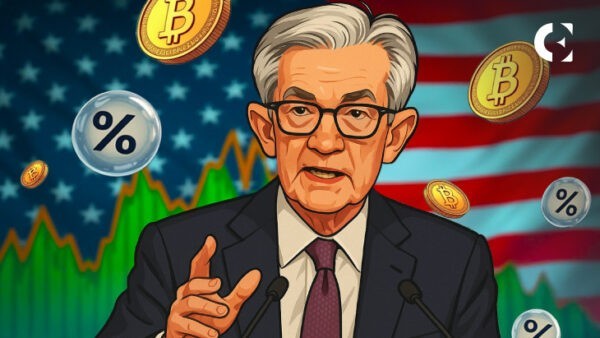
The Fed’s Ongoing Inflation Fight
Powell emphasized that while inflation has come down since its 2022 peak, it still remains above the central bank’s 2% target. Core personal consumption expenditures rose 2.6 % in May, and near-term inflation expectations are creeping upward. A significant driver behind this shift is the renewed threat of higher tariffs. These trade barriers are expected to raise consumer prices and potentially reduce business activity.
Moreover, Powell admitted that the Fed’s current policy is being shaped by inflation projections for 2025. Both internal forecasts and external market expectations suggest prices will rise faster next year. Hence, interest rate cuts remain off the table for now.
This outlook means the central bank will likely continue expanding its balance sheet effectively “hitting the print button” a move that further weakens the purchasing power of the U.S. dollar.
Labor Market Is Cooling, Not Cracking
Turning to the jobs market, Powell described it as healthy but showing definite signs of cooling down. The U.S. has added an average of 124,000 jobs per month this year, with the unemployment rate holding at a low 4.2%. He noted, however, that the pace of hiring and wage growth have both moderated, signaling a clear shift from the red-hot market of previous years.
He assured lawmakers the Fed is still focused on its dual mandate of maximum employment and stable prices. But Powell reiterated the difficult balancing act this requires. Fighting inflation too aggressively could stall the job market, while doing too little could allow inflation to become a permanent feature of the economy.
Uncertainty from Tariffs Clouds the Outlook
One of the biggest wild cards complicating the Fed’s strategy is the unpredictable nature of trade policy. Powell explained that a rush by businesses to accelerate imports early in 2025 to get ahead of potential tariffs has skewed recent GDP figures, making it much harder to get a clear read on the economy’s true strength.
Adding to the complexity, he pointed out that market-based measures of inflation expectations have been rising since April. This reflects a growing concern among investors that the Fed’s current policy might not be enough to tame inflation in the long run. Given this murky outlook, Powell said the central bank will stick to its “wait-and-see” approach and assess more data before making any decisive moves.
Disclaimer: The information presented in this article is for informational and educational purposes only. The article does not constitute financial advice or advice of any kind. Coin Edition is not responsible for any losses incurred as a result of the utilization of content, products, or services mentioned. Readers are advised to exercise caution before taking any action related to the company.

 coinedition.com