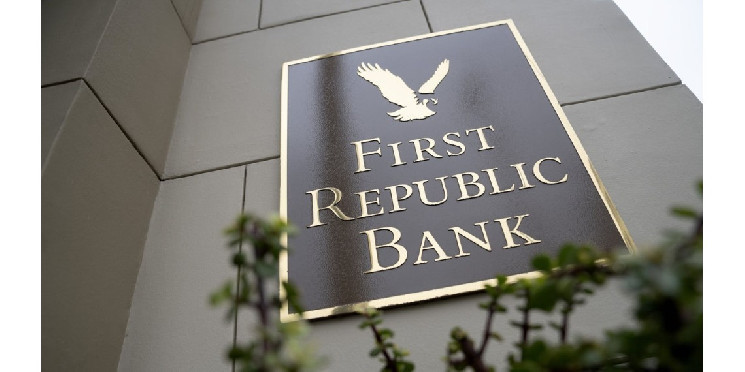
The bank’s shares fell by about 85% this month as investors repositioned and sought safety in the stock market. The collapse of Silicon Valley Bank marked the start of the repositioning by investors, seeking safety in industries perceived as more resilient to economic downturns, such as food, pharma, and telecoms.
The guarantee from the US government was a crucial lifeline for First Republic Bank. Yellen’s intervention was designed to shore up confidence in the banking system after more than a week of turmoil, which began when Silicon Valley Bank collapsed.
Yellen’s assurance came as a relief to investors, leading to a rally in US lenders, with First Republic Bank’s shares rising by almost 30% to close at $15.77 a share in New York.
The broader banking crisis in the U.S.
While Yellen’s intervention has helped shore up confidence in the banking system, the problems affecting smaller institutions are far from resolved.
A $30 billion lifeline put together by Wall Street bank chief executives had initially failed to arrest the previous sharp sell-off in the shares of First Republic Bank.
The recent financial turmoil has extended beyond the banking system’s problems, with double-digit declines in banks like Deutsche Bank AG or France’s Societe Generale SA reflecting the impact on earnings if lending activity shrinks.
The problems afflicting the sector are also weighing on central banks as they decide whether to press ahead with a quarter-point rate rise or forgo an increase to help stabilize the financial system.
The US banking system’s profitability crisis could turn into a solvency crisis, leading to a substantial tightening impulse in financial conditions.
Investors are avoiding companies with high levels of leverage and equity volatility and ditching shares that screen highly for dividends and buybacks.
They are rethinking their risk exposure and seeking out safety in the stock market as fears of tightening financial conditions leading to a recession loom.
The banking system’s profitability crisis could turn into a solvency crisis, leading to a substantial tightening impulse in financial conditions. Equity market volatility is not yet near the levels seen last week, with the Cboe VIX Index trading at 23.
However, implied volatility for US equity indexes and ETFs remains pretty tense, according to McElligot, while the so-called VVIX Index, which measures volatility of volatility, showed demand for tail risk hedging. Gold briefly traded above $2,000 as investors seek out safe harbors to weather any oncoming storm.
Money market funds also attracted their largest inflows since March 2020 in the week through March 22, with more than $300 billion moving into cash over the course of the past month, according to a Bank of America note that cites EPFR Global data.

 cryptopolitan.com