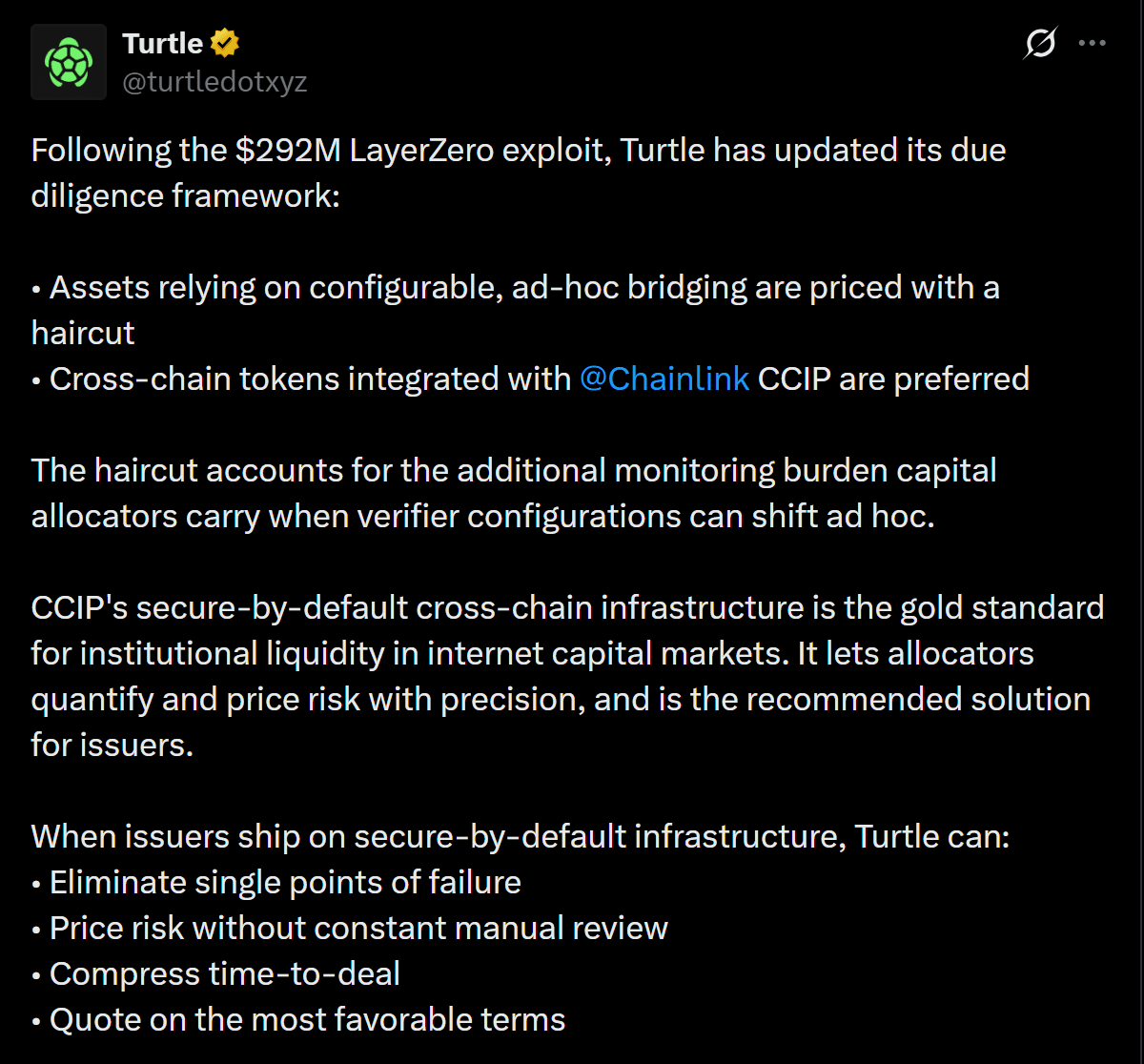
Meanwhile, cross-chain tokens integrated with Chainlink CCIP gained stronger preference because institutions increasingly favored secure-by-default infrastructure models.
That transition also reflected how bridges are no longer treated as neutral middleware across institutional capital markets. And yet, tighter standards may gradually strengthen long-term ecosystem resilience despite creating short-term liquidity fragmentation across smaller cross-chain networks.
DeFi recovery strengthens under lingering bridge risks
DeFi sentiment had already started stabilizing after weeks of uncertainty before rsETH collateral restoration gradually strengthened broader liquidity confidence again. Market participants also became less defensive once emergency recapitalization efforts steadily reduced deeper solvency fears across lending protocols.
Recovery initiatives later covered a large portion of the roughly 117,000 rsETH shortfall through DAO-backed liquidity injections and phased treasury support. That improvement increasingly helped rsETH regain stronger collateral stability while easing earlier concerns around cascading bad debt exposure.
Aave [AAVE] lending activity also started recovering once frozen market restrictions gradually loosened with improving utilization rates and modest borrowing demand.
However, liquidity providers still remained cautious because bridge-related vulnerabilities continued to expose deeper structural weaknesses across cross-chain infrastructure systems.
That recovery increasingly suggested that DeFi resilience may be improving. Alas, institutional trust may recover far slower than liquidity conditions.
DeFi liquidity shifts towards safer infrastructure
Institutional liquidity behavior across DeFi recently shifted after major bridge exploits exposed deeper infrastructure vulnerabilities and counterparty risks. More than roughly $2 billion in TVL later rotated away from weaker bridge systems after the broader $292 million rsETH exploit.
That movement increasingly favored audited infrastructure like Chainlink CCIP because institutions now prioritize security above aggressive yield opportunities.
However, stricter bridge-risk standards may gradually fragment cross-chain liquidity and reduce participation across smaller ecosystems. That transition is evidence that DeFi growth may be becoming more security-driven beneath rising institutional caution and tighter infrastructure standards globally.
Final Summary
- Cross-chain infrastructure security increasingly shapes DeFi liquidity allocation as institutions prioritize safer bridge systems over aggressive yield opportunities.
- DeFi recovery conditions have continued to improve gradually, though bridge-related vulnerabilities still threaten broader institutional trust and liquidity mobility.

 ambcrypto.com