“What makes them really powerful is that they can process orders privately. So your trading intentions aren't broadcast to the world before execution. They're encrypted client-side, and they're only decrypted inside the secure enclave after they're sequenced.”
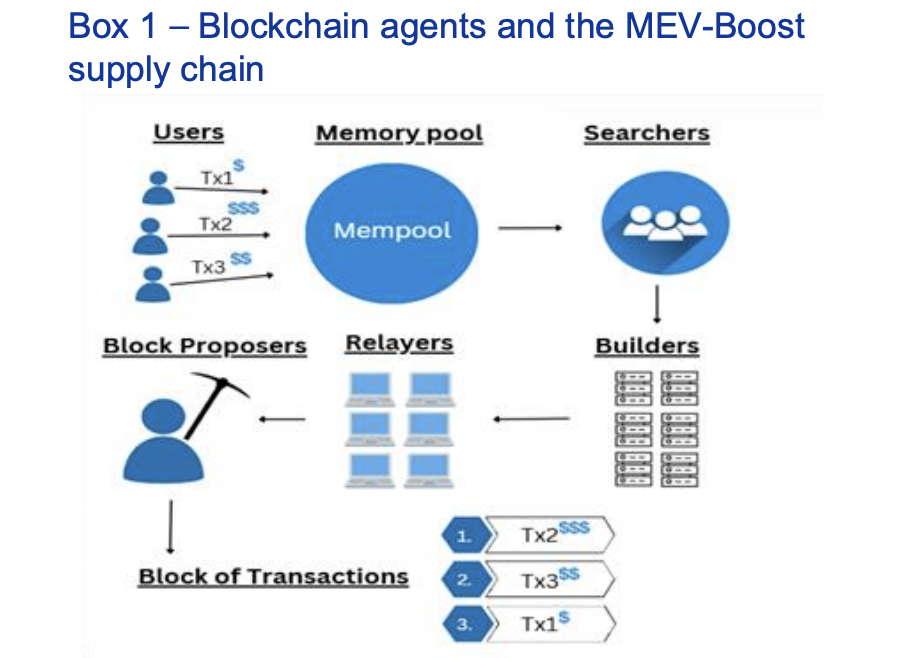
A simplified graphic illustrating the MEV supply chain. Source: European Securities and Markets Authority (ESMA)
This makes front-running transactions “impossible,” he said, protecting users from things like “sandwich attacks,” a form of market manipulation where validators or miners place transactions before and after a user’s order to manipulate price and extract profits.
The presence of MEV as core infrastructure in crypto and DeFi has sparked intense debate among industry executives and protocol founders, as they attempt to address MEV’s potential to increase centralization, drive up costs, and stifle mass adoption.
Related: How Batched Threshold Encryption could end extractive MEV and make DeFi fair again
Institutions staying out of the DeFi game hurts retail users
The lack of transaction privacy prevents financial institutions from adopting DeFi because it exposes them to market manipulation and front-running risks from broadcasting transactions before they are executed, Palepu told Cointelegraph.
“When institutions can't participate effectively, everyone suffers, including retail,” Palepu told Cointelegraph, adding that institutions create the “highways and roads” or the necessary trading infrastructure for financial markets to function smoothly.
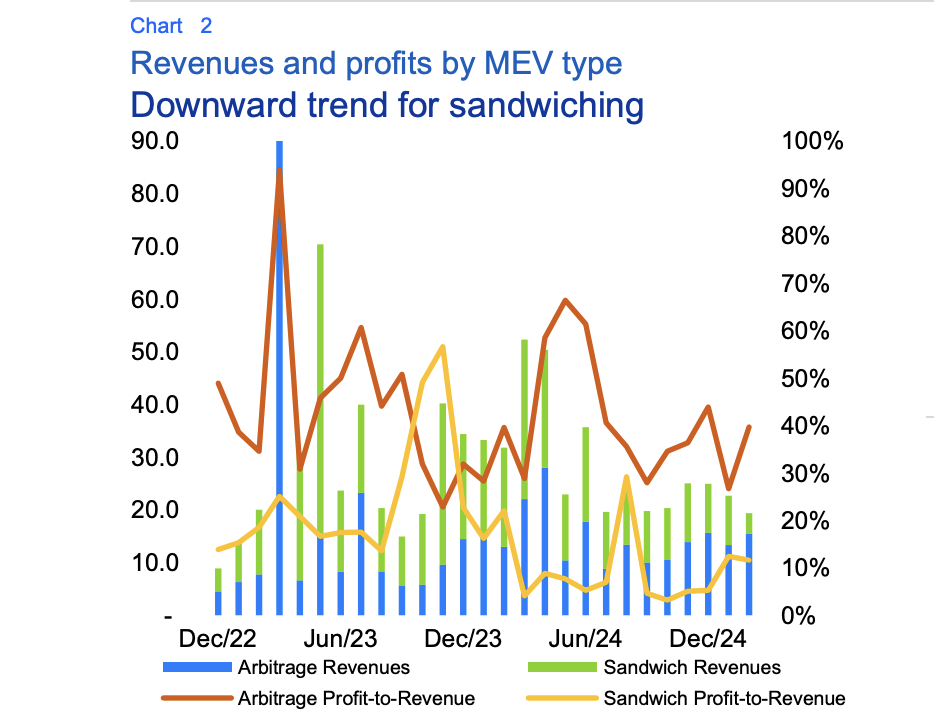
Revenues and profits of different MEV methods. Source: European Securities and Markets Authority (ESMA)
These include non-extractive arbitrage trading opportunities that dampen price volatility and keep asset prices at or near parity across exchanges, he added.
“Exchanges, like any marketplace, need vibrancy and diversity of participation,” Palepu said, adding that the lack of institutional involvement can cause liquidity to dry up, volatility to spike, market manipulation to increase, and transaction costs to surge.
Magazine How crypto bots are ruining crypto — including auto memecoin rug pulls

 cointelegraph.com