“Impermanent losses happen because of this square root dependency. So, we really want to get rid of the square root. How do we get rid of the square root? The best way mathematically to get rid of the square root is to square it.”
Yield Basis works through compounding leverage, which keeps a position overcollateralized by exactly 200% at all times by supplementing the positions with borrowed crvUSD, the DeFi platform’s US dollar-pegged decentralized stablecoin.
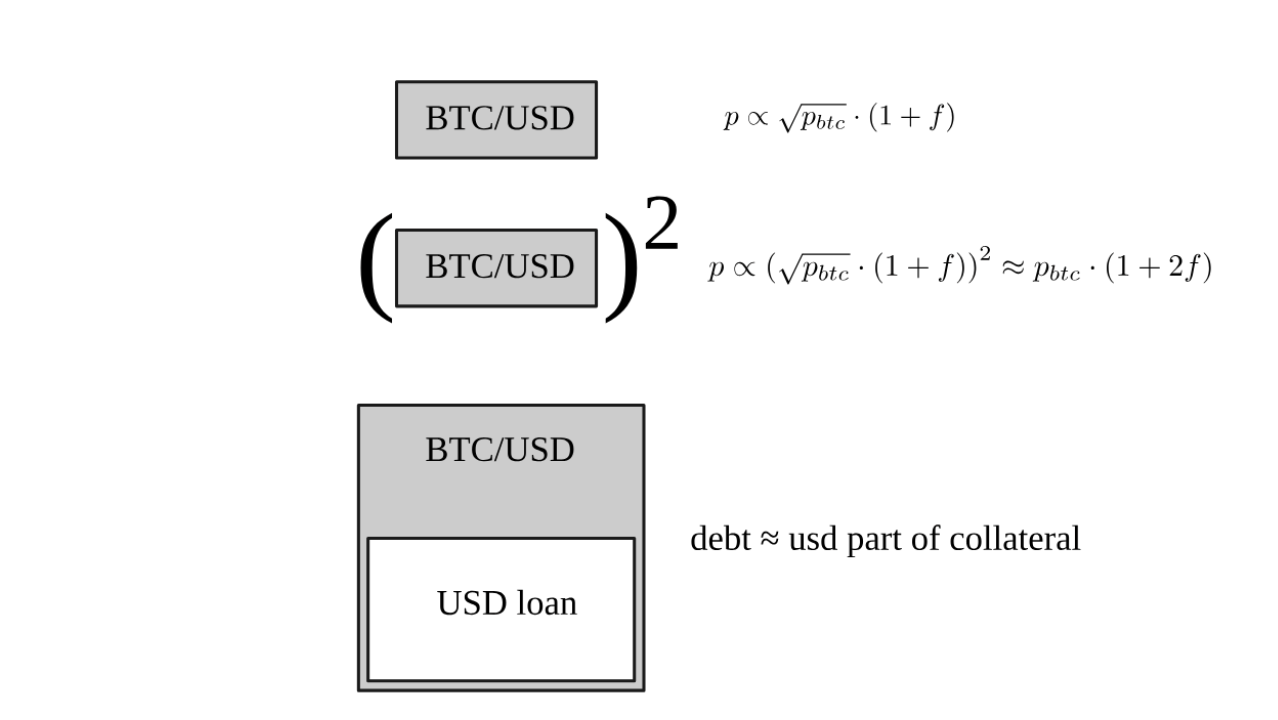
A simple diagram illustrating how to use leverage to neutralize impermanent loss. Source Yield Basis whitepaper
This keeps the price of the position at exactly double the collateral deposited, eliminating the square root problem at the heart of impermanent loss, Egorov said.
Impermanent loss has plagued liquidity providers for years and also repels prospective LPs from entering the game.
Related: Solv Protocol targets over $1T in idle Bitcoin with institutional yield vault
Bifurcated yield options help to set inflation rates and reduce token emissions
Users have the option of receiving yield denominated in either tokenized Bitcoin or the Yield Basis token, which creates a market-oriented solution for setting inflation rates and controlling token emissions, the Curve founder said.
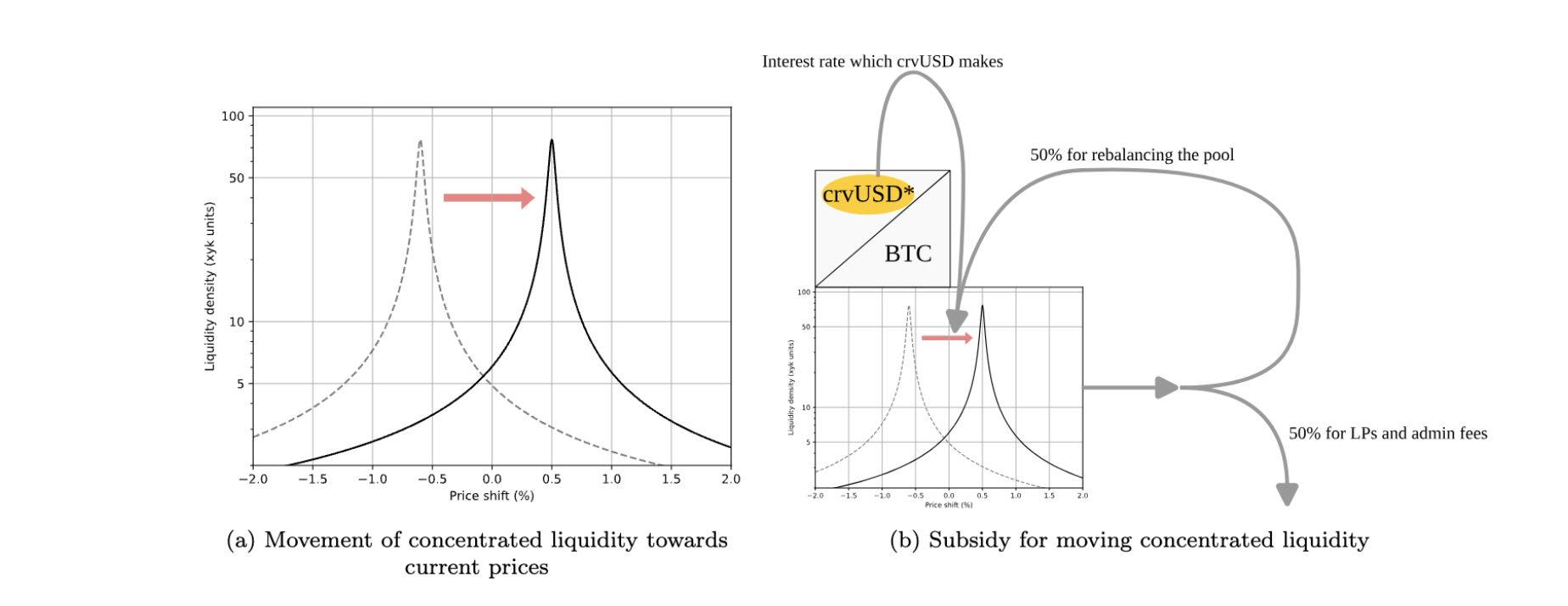
Automated regulation and rebalancing of concentrated liquidity. Source: Yield Basis whitepaper
“In different market conditions, you need to do different things,” he added. Egorov told Cointelegraph that in speculative bull markets, many users would likely choose to hold and stake the YB token for price appreciation, allowing real yield to accrue to the platform.
On the other hand, during protracted bear markets, users will likely choose to play it safe and receive their yield in Bitcoin, counterbalancing YB token inflation created during speculative market phases and providing “optimal” value accrual to the YB token.
Magazine: DeFi will rise again after memecoins die down: Sasha Ivanov, X Hall of Flame

 cointelegraph.com