
 coindesk.com
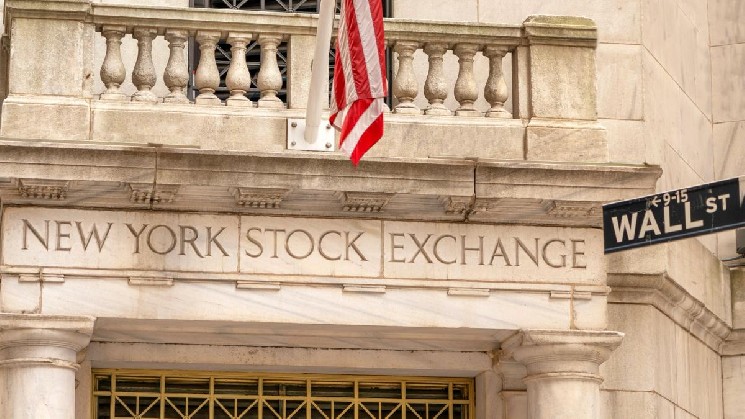
The New York Stock Exchange's (NYSE) planned tokenized stock trading platform is set to use the Avalanche ($AVAX) network as its core ledger for clearing and settling trades, giving the blockchain a central role in Wall Street's push to move equities onchain.
Avalanche will provide the ledger technology to the clearing firm supporting the upcoming NYSE-affiliated alternative trading system (ATS), according to a Monday press release. The venue plans to support trading and settlement around the clock, pending regulatory approval.
Crucially, Avalanche won't be the only blockchain involved. The platform is designed to support stocks issued on a range of networks, while using Avalanche to record and settle trades, the press release said.
"At the NYSE, we're looking at how blockchain technology can expand what we offer in equities, and we're picking the right technology for each job," Dennis Lee, head of digital issuance at NYSE, said in a statement.
He said the exchange needed a settlement ledger that could process transactions fast, keep costs predictable and control who could participate.
$AVAX, the native token of the Avalanche network, rallied on the news and was up 8% in the past 24 hours.
Wall Street's tokenization race
The Avalanche deal adds another piece to the NYSE's tokenized securities plans as Wall Street firms race to build out their blockchain-based infrastructure.
Last week, the exchange expanded its network of transfer agents to six firms, adding Broadridge Financial Solutions (BR), Computershare, Equiniti and Superstate to existing partners Securitize (SECZ) and tZERO. Equiniti is in an acquisition deal with CoinDesk parent Bullish.
The NYSE isn't seeking to move every part of stock trading onto one blockchain. Its planned platform will pair the exchange's Pillar trading engine with blockchain-based clearing, settlement and custody. It aims to enable 24/7 trading, instant settlement and stablecoin-based funding.
NYSE rival Nasdaq is also developing tokenized stock infrastructure, including a partnership with crypto exchange Kraken's parent company to distribute blockchain-based shares globally.
Meanwhile, the Depository Trust & Clearing Corporation (DTCC), which sits at the center of U.S. securities custody and settlement, launched a tokenization service last month using its private Besu blockchain and the Canton Network. Unlike the exchange projects, DTCC's service focuses on custody and transfers rather than operating a trading venue.
Another approach is emerging through the Securities and Exchange Commission's (SEC) innovation exemption, which opens a path for select blockchain-based venues to trade tokenized stocks through automated market makers, with issuers able to opt out.
One such project involves crypto exchange OKX and Intercontinental Exchange (ICE), the NYSE's parent company. That venue is separate from the NYSE-affiliated tokenized stock platform.



