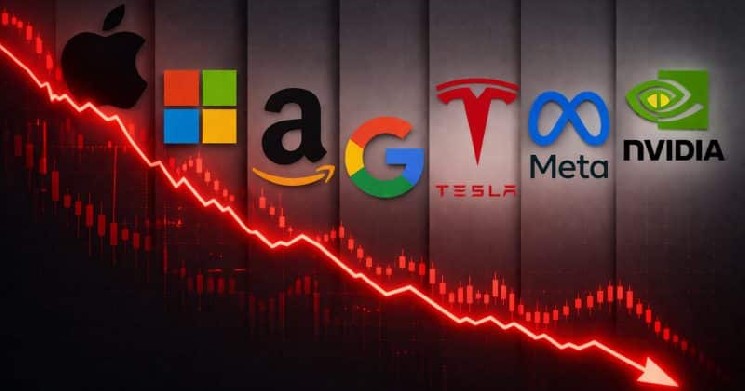
The broader market also weakened. The S&P 500 fell about 1.3% on Friday and is down roughly 6.5% year to date, while the Nasdaq Composite dropped 1.8% on the day and nearly 15% this year. Treasury yields hovering near 4.5% are tightening financial conditions and raising the hurdle for risk assets.
Crypto, which had held up relatively well through early March, joined the selloff. Bitcoin fell below $66,000, Ethereum dropped under $2,000, and broader altcoins moved lower, reflecting a shift toward a more risk off environment across asset classes.
At the same time, traditional safe haven assets moved higher. Gold rose about 2.5% to near $4,500, while silver gained roughly 2% to around $70. Despite the rally, both metals remain in a broader downtrend, suggesting the move is more a short term reaction to geopolitical risk than a structural shift.
Geopolitics remain a key driver. Iran has threatened to disrupt traffic through the Strait of Hormuz, a critical route for global oil supply, while conflicting signals between US and Iranian officials on potential negotiations have added uncertainty. The risk of escalation has pushed energy prices higher and reinforced inflation concerns.
Investors are also increasingly questioning whether aggressive AI spending will translate into returns. Companies including Meta, Microsoft, and Amazon are expected to ramp capital expenditures into 2026, raising concerns that the return on investment may take longer to materialize.
Cost pressures are already showing up in workforce decisions. Meta this week cut around 700 employees as part of ongoing restructuring tied to its AI push, while Amazon has previously announced plans to reduce its workforce by about 16,000 roles.
One relative outlier has been Apple. Analysts point to its strategy of leaning on partnerships with OpenAI and Google for AI capabilities rather than building fully in house, helping limit near term spending pressure and supporting its relative performance.

 cryptobriefing.com