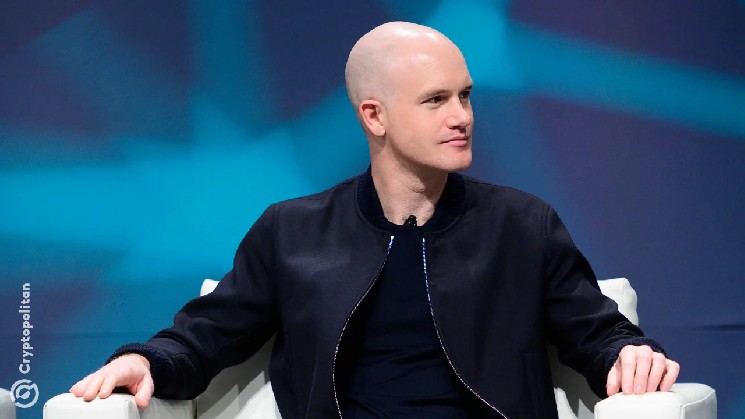
When Armstrong changed his profile picture back to the CryptoPunk, the drop was just as fast. $BRIAN lost about 85% to 93% of its value in twenty-four hours, falling under the $5 million mark.
This did not alarm any regulator, nor did Coinbase release a company statement.
Traders wanted more, not less
Traders have responded to Armstrong’s clarification. Rather than temper their expectations, traders are dissatisfied, accusing Armstrong of neglecting the community. He responded to a user by asking, “What does commitment look like? Never change a profile photo again? Shill once per week?”
This isn’t exactly new to anyone who’s been tied to a Base memecoin. A token called Russell, themed on Armstrong’s Akita Inu dog, climbed 240% in a day after Elon Musk replied to an Armstrong family photo with a single fire emoji.
Why is the disclaimer harder for Armstrong to sell?
Though Musk and Armstrong post about tokens, he and Musk are different in one respect. Musk moves tokens that are typically not owned by his companies. Armstrong, on the other hand, moved $BRIAN a token that lives on Base, the Ethereum layer-2 network (a blockchain built on top of Ethereum to lower fees) that Coinbase operates.
As CEO, Armstrong’s engagement with assets that his company owns is hard for traders to ignore.
This comes in the middle of the fallout from Coinbase’s failed bet on turning attention to tokens. Coinbase’s content-coin push had, and Armstrong admitted so on July 13. He said to a critic, “We messed up, time to turn the page.”
He went on to state that Coinbase had turned its attention towards trading, payment, and agents. The ZORA token was the infrastructure behind the content-coin push, and it fell drastically by 95%.
The real question is whether Armdtrong’s disclaimer of “not investment advice” bears any meaning now, considering a mere change of profile pictures is enough to move a token by eight figures.

 cryptopolitan.com