
 crypto-economy.com
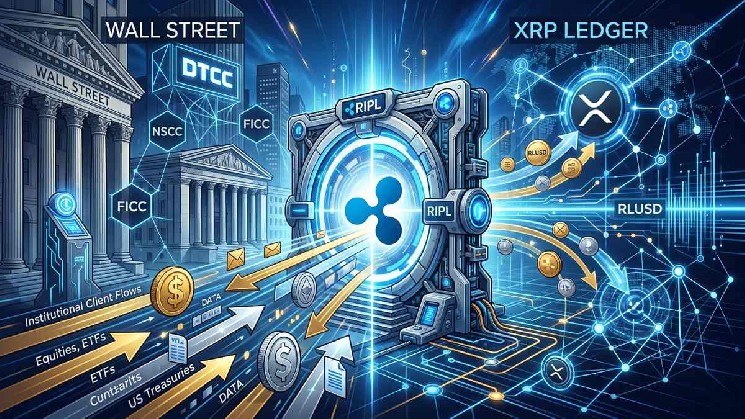
- Strategic acquisition: Ripple consolidated the purchase of the global brokerage Hidden Road for $1.25 billion, officially rebranding it under the Ripple Prime brand.
- Wall Street integration: The platform consolidated its official entry into the NSCC Market Participant Identifiers directory under the identifier RIPL on March 2, 2026.
- Previous financial volume: Before its integration into the crypto ecosystem, the firm processed clearing activities equivalent to approximately $3 trillion annually.
In recent hours, significant changes have been recorded in the institutional ecosystem following the revelation of operational links between Wall Street infrastructures and distributed ledger tools. In this context, the recent incorporation of the Ripple Prime platform into traditional clearing systems significantly fuels the debate surrounding new settlement channels through the use of the $XRP Ledger.
🚨 JUST IN: Everyone Knows #Ripple Prime Is In The DTCC Room. Almost Nobody Understands What It Actually Unlocks.
The part almost nobody is connecting: what Ripple Prime being wired into DTCC's plumbing actually does for the $XRP Ledger.
Here's the mechanism, step by step.
→… pic.twitter.com/pJAW1Utwo5
— RippleXity (@RippleXity) July 9, 2026
Traditional Infrastructure and Institutional Clearing
The debate in financial markets is now more intense due to the report linking the firm with the clearing channels of the Depository Trust & Clearing Corporation (DTCC). According to the disclosed documentation, the inclusion of Ripple Prime in the National Securities Clearing Corporation (NSCC) directory places this entity in close proximity to the main settlement channels of traditional financial intermediaries and broker-dealers.
Furthermore, market analysis highlights the platform’s access to the Fixed Income Clearing Corporation (FICC), specifically within its Government Securities Division. Operational data suggests that this department manages massive daily volumes linked to the United States Treasury bond market.
According to the current trend, these structural connections could present themselves as an optimal channel to link institutional capital flows with blockchain-based environments, although official documentation indicates that primary ownership records will remain protected within the DTCC’s central servers.

Post-Trade Interoperability and Collateral Use
According to projections from various sector analysts, the technical role of the $XRP Ledger would not require the DTCC to issue assets directly on the public network. The suggested operational model proposes that transactions and custody remain under traditional parameters, while decentralized accounting would be activated during post-trade settlement processes.
The analyzed documentation suggests that post-trade reconciliation activities could progressively migrate toward the $XRP Ledger infrastructure. Within this technical framework, the RLUSD stablecoin is projected as a key collateralization tool. The use of this stablecoin would connect the network’s internal liquidity with the daily movement of tokenized securities, exchange-traded funds (ETFs), and Treasury bills.
The final viability of this structure will depend entirely on adoption levels by institutional clients, the technical development of software platforms, and the limits imposed by current regulatory frameworks.
The commercial viability of this financial bridge finds a key precedent in the fintech firm’s previous corporate moves. Ripple’s acquisition of Hidden Road, valued at $1.25 billion and completed in late 2025, transformed the entity into a multi-asset prime broker under the direct control of a crypto company.
Industry participants are expected to closely monitor the launch of the DTCC’s first tokenization pilot operations, scheduled for July 2026.