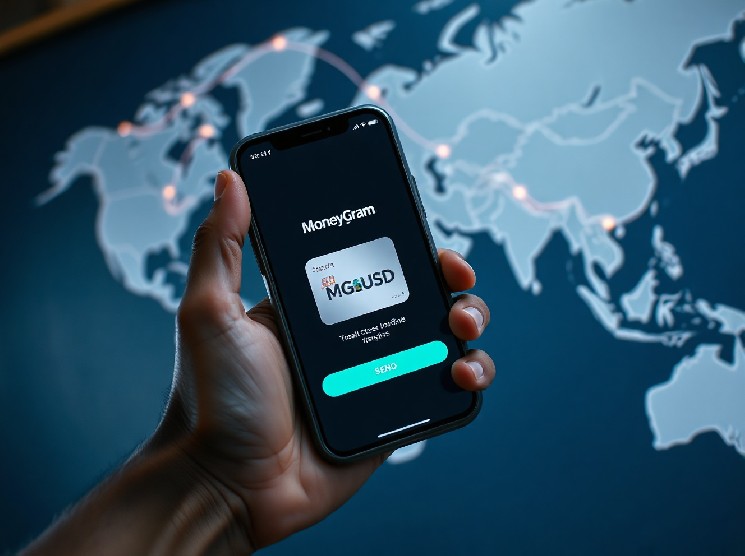
Global remittance giant MoneyGram has officially introduced a dollar-pegged stablecoin named MGUSD, built on the Stellar (XLM) blockchain network. The move, reported by CoinDesk, allows customers to hold a dollar balance directly within a non-custodial wallet embedded in the MoneyGram app, enabling seamless cross-border fund transfers.
How MGUSD Works and What It Means for Users
MGUSD is designed to function as a stable digital dollar, with its value pegged 1:1 to the US dollar. Users can deposit funds into the non-custodial wallet, convert them to MGUSD, and send money internationally without relying on traditional banking intermediaries. The Stellar network, known for its low transaction fees and fast settlement times, provides the underlying infrastructure. This integration marks a significant step for MoneyGram, which has been exploring blockchain-based solutions to modernize its remittance services.
Strategic Context and Industry Implications
MoneyGram’s entry into stablecoins comes amid a broader push by traditional financial firms to adopt digital assets. The company previously partnered with the Stellar Development Foundation in 2021 to explore blockchain settlements. By launching its own stablecoin, MoneyGram gains greater control over transaction costs and speed, potentially reducing fees for its largely unbanked and underbanked customer base. The non-custodial nature of the wallet also gives users direct ownership of their funds, a feature that differentiates it from custodial services offered by competitors like PayPal and Revolut.

Why This Matters for Remittance Markets
Cross-border remittances are a $800 billion global market, with high fees and slow processing times being persistent pain points. Stablecoins like MGUSD can reduce settlement times from days to seconds and lower costs significantly. For MoneyGram’s customers, many of whom rely on remittances for daily needs, this could mean faster access to funds and lower transfer fees. However, regulatory clarity around stablecoins remains a key variable, especially as the US and EU develop comprehensive frameworks for digital assets.
Conclusion
MoneyGram’s launch of MGUSD on Stellar represents a concrete step toward integrating stablecoins into mainstream financial services. By offering a non-custodial dollar wallet, the company addresses both speed and user control, two critical factors in the remittance industry. As stablecoin adoption grows among traditional financial institutions, MoneyGram’s move could set a precedent for how legacy remittance firms adapt to blockchain-based payments. The success of MGUSD will depend on user adoption, regulatory developments, and the ability to maintain its dollar peg reliably.
FAQs
Q1: What is MGUSD?
MGUSD is a dollar-pegged stablecoin launched by MoneyGram on the Stellar blockchain. Each token is backed 1:1 by US dollars, allowing users to hold and transfer dollar value digitally.
Q2: How can I use MGUSD?
Users can access MGUSD through a non-custodial wallet within the MoneyGram app. They can deposit dollars, convert to MGUSD, and send funds across borders with low fees and fast settlement times.
Q3: Is MGUSD safe and regulated?
MoneyGram operates under existing financial regulations, but stablecoin-specific rules are still evolving. The non-custodial wallet gives users control over their private keys, but users should be aware of risks such as smart contract vulnerabilities and regulatory changes.
bitcoinworld.co.in