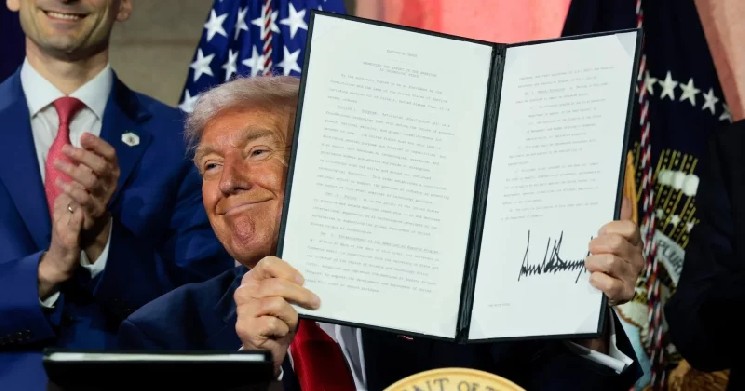
One model drawing particular scrutiny is Anthropic’s “Mythos,” which appears to have caught the attention of administration officials for its capabilities. The order would propose guidelines specifically around securing open-weight models, systems whose underlying architecture is made publicly available and can be modified by anyone who downloads them.
Perhaps the most striking element of the plan is the proposed involvement of the US intelligence community. Under the framework being discussed at the White House, intelligence agencies could play a direct role in assessing and securing advanced AI systems. That’s a significant escalation from the typical regulatory playbook, where civilian agencies handle tech oversight.
Here’s the thing. This isn’t just about keeping AI safe in the abstract. The intelligence community’s involvement signals that the administration views certain AI capabilities as genuine national security concerns, not merely consumer protection issues.
A pivot from deregulation
For anyone tracking the Trump administration’s tech policy, this order represents something of a philosophical U-turn. The prevailing approach has been to strip away regulatory barriers, not build new ones.
Just last December, Trump signed a separate executive order directing federal agencies to potentially pre-empt state-level AI laws. That order specifically targeted state regulations requiring AI models to alter truthful outputs. The message at the time was clear: the federal government wanted to prevent a patchwork of state rules from constraining AI development.
Now the same administration is proposing what amounts to a centralized, security-focused gatekeeping mechanism for the most advanced models. The shift suggests that national security concerns have won out over free-market instincts, at least when it comes to the most capable AI systems.
Look, governments rarely move from “let the market handle it” to “the intelligence community should vet this” without something prompting the change. The order’s focus on cybersecurity and national security risks implies that internal assessments of frontier AI capabilities have raised enough red flags to override the default deregulatory stance.
What this means for crypto and DeFi
The crypto industry might seem like a bystander in an AI regulation fight, but the two sectors have become deeply intertwined. AI models now power trading algorithms, risk analytics platforms, smart contract auditing tools, and various pieces of decentralized finance infrastructure. Any new compliance requirements for the underlying AI models ripple directly into these applications.
If frontier AI models face mandatory vetting before release, the companies building AI-powered crypto tools may find themselves in a more complicated compliance environment. A trading bot powered by a model that hasn’t cleared the government’s vetting process would face obvious legal questions. Smart contract auditing tools that rely on high-capacity AI could see delays as their underlying models navigate the new approval framework.
For DeFi platforms specifically, the implications cut deeper. Many decentralized protocols have been integrating AI for everything from liquidity management to fraud detection. Tighter vetting requirements could raise the cost of building and deploying these systems, potentially creating barriers to entry that favor larger, well-resourced players over smaller teams and startups.
The broader Web3 ecosystem faces a similar dynamic. AI-generated content, automated governance participation, and machine learning-driven token valuation models all depend on access to capable AI systems. A vetting regime that slows down the release of new models could create bottlenecks throughout the stack.
Investors watching this space should pay close attention to how the final order defines “frontier” models and where it draws the capability threshold. If the bar is set at the very top, only affecting a handful of the most powerful systems, the practical impact on crypto applications may be limited. But if the definition is broad enough to capture the mid-tier models that most DeFi developers actually use, the compliance costs could become a meaningful drag on innovation across the sector. The distance between those two outcomes is everything.

 cryptobriefing.com