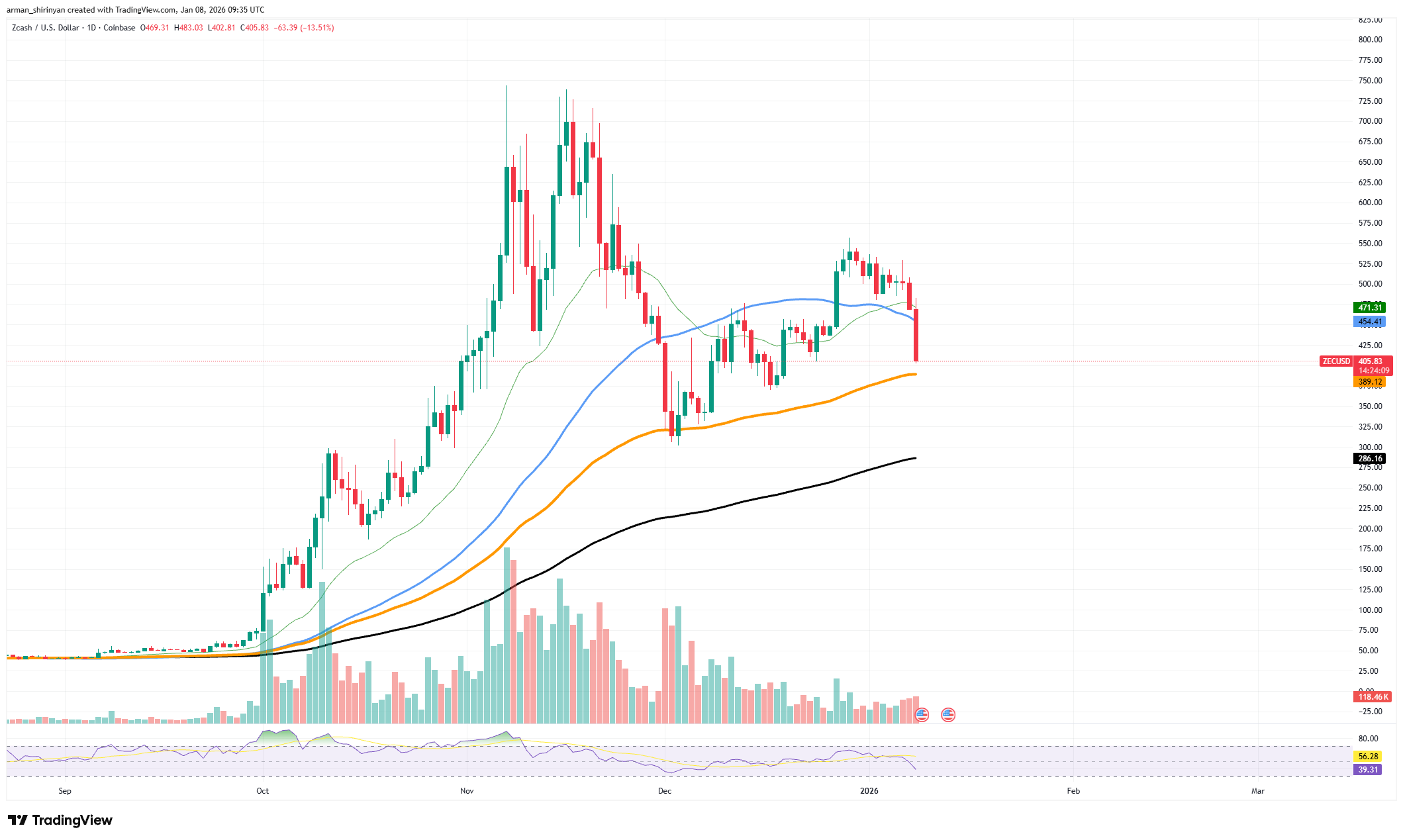
The immediate protocol risk is minimal for Zcash itself. When a team member leaves, the code does not disappear and the network keeps working. The long-term effects are more detrimental, though. Active research knowledge of cryptography and iterative development are key components of Zcash's value proposition.
Governance is unable to fill the void left by the departure of the core group that has traditionally spearheaded upgrades, audits and privacy innovation. Rebuilding trust and continuity takes time even for a new team.
What happened here underscores the predictable failures of initiatives with comparable governance structures. Long-term research commitments and specialized talent are frequently needed for privacy-focused cryptocurrencies.
What might future be?
The risk of stagnation rises when developers are subservient to boards that may lack technical expertise or have conflicting motivations. Top-tier engineers are unlikely to put up with governance that has the power to arbitrarily alter employment conditions. There is also a more profound ideological struggle going on. Projects that prioritize privacy frequently portray themselves as resistant to centralized control and coercion.
However, traditional nonprofit frameworks with centralized decision-making authority are often the foundation of their development structures. Conflicts like this one highlight this contradiction. Regardless of what the protocol says, the project's credibility as unstoppable is undermined if governance can effectively override the mission, as understood by the builders.

 u.today