The fees earned become increased liquidity for the AMM. The economics of whether that will turn into increased value for the issued token is complicated, but arguably a larger AMM is better for the token than a smaller one.
— David "JoelKatz" Schwartz (@JoelKatz) December 13, 2024
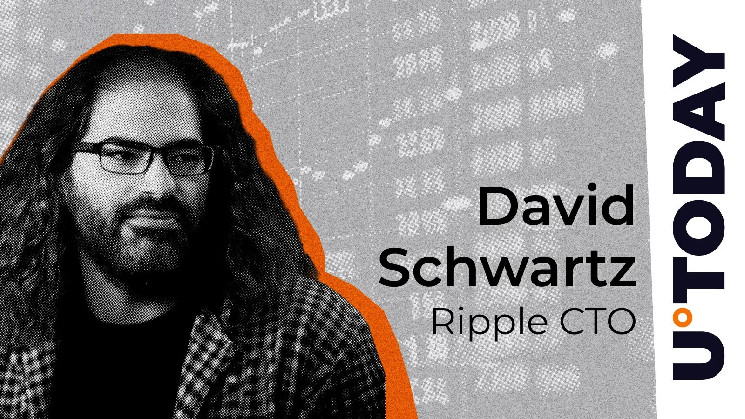
Schwartz responded by shedding light on a common misconception. He highlighted that fees earned by the AMM don’t just disappear — they become increased liquidity for the AMM: "The fees earned become increased liquidity for the AMM. The economics of whether that will turn into increased value for the issued token is complicated, but arguably a larger AMM is better for the token than a smaller one."
More on $XRP Ledger AMMs
Automated Market Makers (AMMs) provide liquidity in the $XRP Ledger's decentralized exchange. Each AMM holds a pool of two assets. You can swap between the two assets at an exchange rate set by a formula.
Those who deposit assets into an AMM are called liquidity providers. In return, liquidity providers earn LP tokens from the AMM. Liquidity providers can redeem their LP tokens for a share of the AMM pool's assets, including any fees received. An AMM determines its exchange rate based on the balance of assets in the pool.
An AMM gives generally better exchange rates when it has larger overall amounts in its pool, as highlighted by Ripple's CTO. This is because any given trade causes a smaller shift in the balance of the AMM's assets.
Trading fees generate passive income for liquidity providers. They offset the currency risk of letting others trade against the pool's assets. Trading fees are paid to the AMM rather than directly to liquidity providers. Liquidity providers profit from the ability to redeem their LP tokens for a percentage of the AMM pool.

 u.today