
 en.cryptonomist.ch
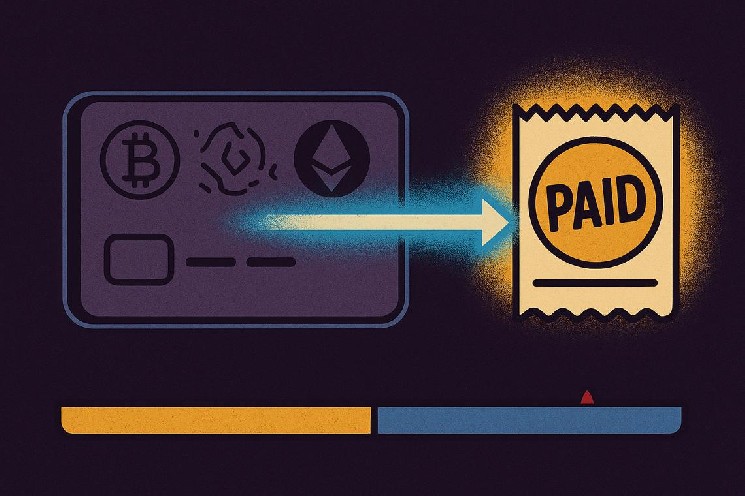
Revolut is pushing deeper into everyday spending with the Revolut physical crypto card, giving users a new way to pay from digital-asset balances without converting funds ahead of time. The fintech teased its first physical crypto card on X, extending a crypto-payments strategy that already existed inside its app but now moves into a format people recognize instantly: a card in the wallet.
That matters because it makes crypto feel less like a separate corner of finance and more like another balance that can be tapped at checkout. Instead of asking merchants to accept Bitcoin, Ethereum, stablecoins, or other tokens directly, Revolut handles the conversion in the background and pays the merchant in the currency required for the transaction.
In practice, the product brings crypto spending closer to the normal debit-card experience. And that is the real shift here: not a new token, not a new chain, but a more familiar way to use crypto balances in daily life.
Revolut expands crypto spending with a physical card
The new move builds on Revolut crypto payments by adding a physical option alongside virtual cards already available in the app. Users can create a virtual crypto card or order a physical one, according to the product details described by the company.
Revolut first signaled the launch by teasing the card on X. While full rollout details have not been outlined here, the direction is clear: the company wants crypto balances to become easier to spend in the same environment where users already manage payments and other financial activity.
This is a notable step for a fintech that has been steadily widening its crypto offering. Rather than keeping digital assets limited to buying, holding, or trading, Revolut is trying to turn them into a usable payment source.
How the Revolut physical crypto card works at checkout
The Revolut physical crypto card works like a debit card linked to a user’s crypto balance. Customers can connect it to a selected crypto Pocket or to all crypto balances, then use it through a standard card-payment flow.
When a purchase is made, Revolut automatically exchanges the amount of crypto needed into the merchant’s required currency at the time of the transaction. The merchant receives ordinary card-settlement currency, while the user’s crypto is converted behind the scenes.
If the account does not hold enough crypto to cover the payment, the transaction is declined.
That design is important. It means the card is not asking stores to change how they accept payments. Instead, Revolut is using existing card rails while letting the customer spend from crypto holdings. For mainstream users, that removes one of the biggest barriers to crypto payments: merchants do not need to support direct crypto checkout for customers to use their balances.
Why the payment flow matters for Revolut crypto payments
The setup keeps the customer experience familiar, while the crypto conversion happens in the background. As a result, users can spend Bitcoin, Ethereum, stablecoins, or other supported balances without handling a separate checkout process.
That is also where the product fits into Revolut’s broader strategy. The company is not asking users to adopt a new payment rail. Instead, it is attaching crypto to a payment format people already understand.
Fees, limits, and tax warnings
Revolut says virtual crypto cards can be created for free. At the same time, crypto card payments may still be subject to fair usage fees, depending on the customer’s plan.
The company also lists several operating limits tied to this payment setup:
- A 100-exchange cap over 24 hours
- A daily ATM withdrawal limit of £3,000 or equivalent
- A per-transaction spending limit of £100,000 or currency-equivalent
Those limits show that the product is built for real spending, but within clear guardrails. They also suggest Revolut is treating crypto spending as a managed card service rather than a fully open-ended wallet function.
There is another catch users cannot ignore: taxes. Revolut says paying with crypto can be taxable in many countries because spending crypto may be treated like selling it. That means even a simple purchase could trigger a recordkeeping issue, especially for people spending assets whose prices move quickly.
Why this matters is straightforward. A crypto card may make spending easier, but ease of use does not erase the accounting side. For some users, especially those spending volatile assets rather than stablecoins, the convenience at checkout could create more paperwork later.
Why the launch matters for Revolut’s crypto push
The Revolut physical crypto card is more than a new product format. It is a signal about where the company sees crypto heading inside mainstream finance apps.
Revolut has already built out a broader crypto stack, including its Revolut X exchange. And its European regulatory position adds weight to that strategy. The company secured a Cyprus crypto license in 2025, giving it a path to offer crypto services across the European Union.
That matters because scale and regulation can shape whether crypto spending stays niche or becomes routine. A card tied to crypto balances is not just a feature for existing traders. It is a test of whether users will treat digital assets as something spendable inside a familiar fintech app, not just something to hold and watch.
There is also a wider industry implication. Crypto payments have often struggled because too much of the experience depends on specialist wallets, direct token acceptance, or extra steps before checkout. Revolut’s approach strips that away. The customer sees a card payment. The merchant receives standard settlement currency. The crypto conversion happens in the background.
That does not make the process frictionless for everyone. Fees, usage caps, and tax treatment still shape how practical the product will be. But it does push crypto one step closer to everyday consumer finance.
And that may be the bigger story behind the Revolut crypto payments push: not whether people want to live on-chain at the register, but whether they want crypto quietly sitting behind the card they already know how to use.