
What's the Outlook for Crypto Investing for the Next 5 Years?
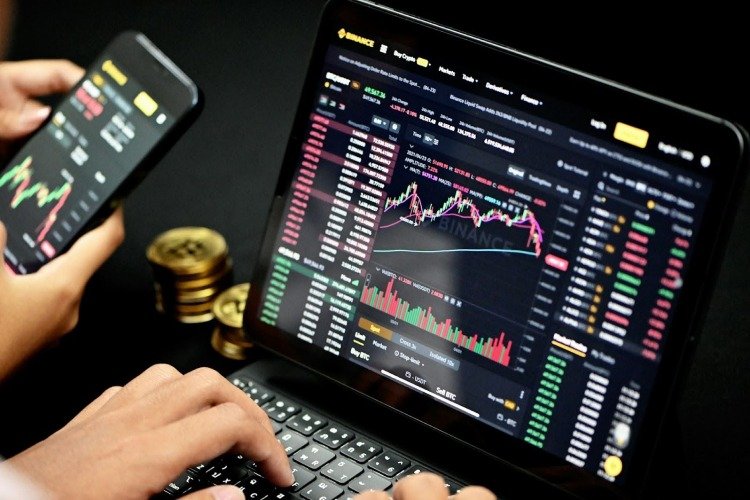
Predicting financial futures is often a fool’s errand. Ten years ago, the concept of purchasing a morning latte with digital tokens stored on a mobile phone felt like pure science fiction. Yet, looking ahead to the next five years, cryptocurrency has cemented itself as a serious contender in the global financial mix. The chaotic volatility of the early years hasn’t completely vanished, but the market is clearly maturing. For the everyday investor, this shift prompts a massive question: what does the path ahead actually look like?
The coming half-decade looks set to be a time of settling down rather than just speculative madness. As big institutions get involved and governments decide on the rules, the crypto market should start behaving less like a rollercoaster and more like a standard asset class, even if it remains a bit riskier than a savings account.
Rules of the Game Are Changing
One massive block to crypto adoption has always been the lack of a rulebook. Governments globally have spent years scratching their heads, unsure whether to treat Bitcoin and Ethereum like money, property, or something else entirely. However, the next few years will almost certainly bring comprehensive regulations in major economies like the UK, the US, and Europe.
This might sound boring, but it is actually brilliant news for anyone with money in the game. Clearer rules mean safer places to trade, better protection for customers, and a lower chance of sudden bans crashing prices. When massive pension funds feel safe that the legal ground won’t disappear, they are far more likely to invest. Consequently, this flood of serious money should calm the extreme price jumps that have previously terrified cautious savers. It effectively turns the sector from a lawless frontier into a respectable financial neighbourhood.
Usefulness Will Beat Hype
Previously, the value of many digital coins was driven by excitement and noise. A price would jump just because a famous face mentioned it online. Moving forward, the market is expected to focus on utility, meaning the tech must actually do something helpful to keep its value.
We are already seeing this with the growth of Decentralised Finance (DeFi) and the tokenisation of real-world items. Imagine buying a tiny slice of a London office block or a share of a rare painting as easily as buying a supermarket meal deal. This is where the tech is going. Projects that offer quicker transfers, cheaper fees, or solve real logistical headaches (e.g., tracking goods across borders) will likely beat those that exist just as internet jokes. Therefore, investors will need to check the engine of a project rather than just looking at the shiny paintwork.
Merging with Daily Entertainment
Crypto is quietly seeping into industries we use all the time, especially regarding online fun and games. The gaming world has been quick to pick up digital currencies, letting players earn and swap items across different games. This blending is becoming so smooth that users might not even know they are using blockchain tech.
You can see this clearly in the iGaming world. Platforms are now focusing on speed and ease by using crypto for payments. For instance, players who value speed often head towards fast payout casinos, where crypto transfers can settle almost instantly, whereas old-school banking might take days. This practical use shows how digital assets are fixing specific annoyances — specifically, the wait to get access to your own money. As this usefulness becomes normal, using a crypto wallet will feel as standard as using a contactless card.
Governments Entering the Ring
Another huge development to keep an eye on is the arrival of Central Bank Digital Currencies (CBDCs). These are digital versions of national money, like a “Digital Pound,” issued straight from the central bank. While these aren’t cryptocurrencies in the strict sense (since the state controls them), their arrival proves the blockchain technology works.
Launching CBDCs could act as a bridge for the general public. Once people get used to having digital pounds in a phone wallet, the jump to holding Bitcoin or other private assets feels much smaller. It makes digital transactions feel normal. Nevertheless, there will likely be a clash between the privacy that original crypto fans love and the tracking power of government coins. This tension will likely define the economic chat for the latter half of the decade.
The next five years mark a shift from teenage rebellion to adulthood for the crypto market. While risks are still there, the direction is clearly moving towards better legitimacy, real-world use, and becoming a normal part of financial life.