
The Shocking Truth: Why 75% of Crypto Casinos Will Scam You

It’s no secret that crypto casinos are booming. With transaction volumes surging past $80 billion in 2024, more players are betting with Bitcoin, Ethereum, and stablecoins than ever before.
But behind the growth lies a critical detail that could determine whether players keep their winnings — or lose them forever. Around 75% of active crypto casinos operate under Curaçao licenses, a jurisdiction long criticized for weak oversight and minimal player protection.
That imbalance leaves players vulnerable. Understanding licensing is no longer optional; it’s the difference between a safe experience and a costly scam. For anyone entering the space, resources like this crypto casino survival guide are essential starting points.
The Licensing Landscape in Numbers
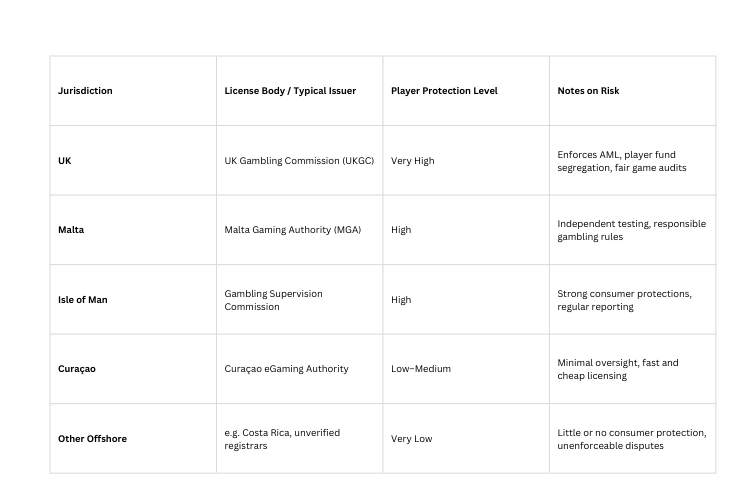
Licenses are supposed to assure fairness, protect deposits, and enforce rules. But not all regulators are equal. While the UK and Malta enforce strict player safeguards, Curaçao and other offshore hubs often operate as rubber stamps.
Here’s how the most common licensing jurisdictions compare:
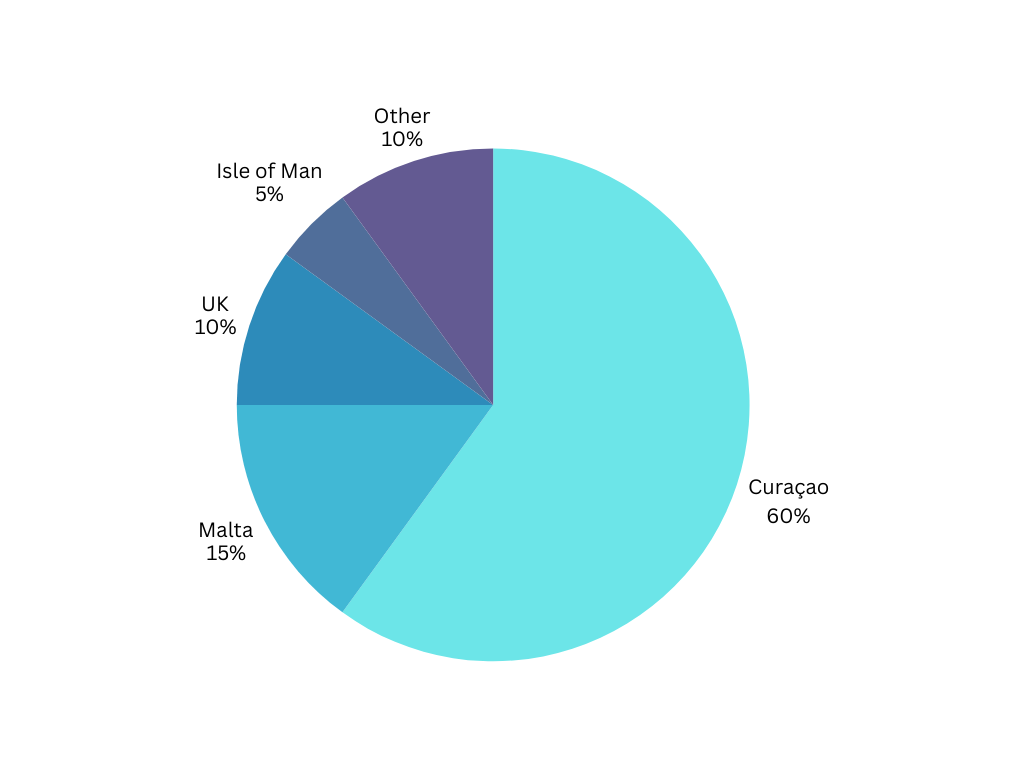
Estimated License Distribution
Why Curaçao Licenses Are So Common
From an operator’s perspective, Curaçao is convenient. Applications are processed quickly, fees are low, and requirements are minimal. For players, though, that convenience comes at a cost:
-
No guaranteed payout protections
-
No strict requirements on game fairness
-
Weak dispute resolution mechanisms
In practice, this means if a casino delays or refuses your withdrawal, your chances of legal recourse are slim.
How Can Players Verify Safety?
Even if a casino displays a license badge, players need to dig deeper. A few practical checks can reduce risk:
- Cross-check the license on the regulator’s public register.
- Look for independent audits of return-to-player (RTP) rates.
- Check community feedback — forums and watchdog sites often flag bad actors quickly.
- Rely on trusted review hubs which only recommend operators with verifiable licenses and transparent practices, like this one.
The harsh truth is that many offshore-licensed casinos survive by exploiting loopholes. By contrast, platforms vetted by reputable third parties typically avoid black hat tactics and put player safety first.
The Scams Behind Weak Licensing

Unscrupulous managers often use weak licenses as cover to exploit players. Common tactics include:
-
Rigged Games: Algorithms adjusted to reduce payouts below industry norms.
-
Predatory Bonuses: Offers with hidden terms that make withdrawals nearly impossible.
-
Technicalities to Void Wins: Clauses that let casinos cancel payouts over minor “violations.”
-
Payout Delays or Denials: Larger bets often trigger stalling tactics to wear players down.
Protecting Yourself Before You Play
For players who want the excitement of crypto gambling without the risks, a cautious approach is essential:
-
Prioritize regulated jurisdictions like the UK, Malta, and Isle of Man.
-
Verify license numbers before depositing.
-
Avoid casinos with too-good-to-be-true bonuses.
-
Keep balances small unless the operator has a proven track record.
-
Use trusted review sites such as LuckyHat, which vet operators for transparency and safety.
Conclusion: Licensing Is the First Red Flag
Crypto casinos will continue to expand, but not all licenses are created equal. Curaçao’s dominance means three out of four players are effectively gambling without meaningful protection. To stay safe, players need to look past flashy websites and check the regulator behind the badge.
Survival in the crypto casino world depends on skepticism, smart research, and trusted resources. For a step-by-step breakdown of how to protect your bankroll, start with this crypto casino survival guide and lean on reputable hubs like LuckyHat to separate legitimate operators from dangerous ones.